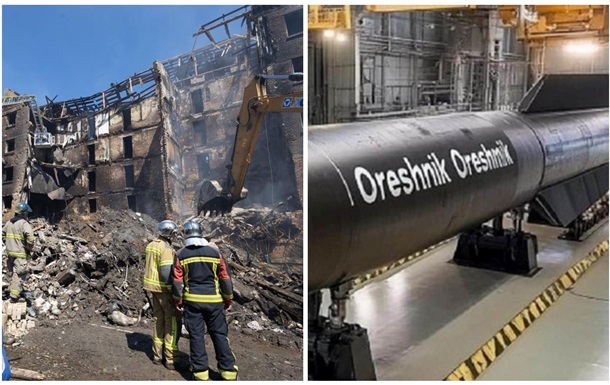
On the night of May 24, Russian forces unleashed a massive air campaign across Ukraine, utilizing a staggering total of 690 air attack weapons, including 90 missiles and 600 strike drones, as reported by the General Staff of the Armed Forces of Ukraine. The primary target of this bombardment was Kyiv, where the consequences were catastrophic for both human life and historical heritage. With 81 people injured and several deaths reported across the region, the attack left a deep scar on the capital’s infrastructure. Buildings such as the Ministry of Foreign Affairs, national museums, and the historic Dynamo Stadium sustained significant damage, highlighting a calculated attempt to dismantle Ukraine’s cultural fabric.
This incident is not an isolated event but part of a broader, systematic pattern of aggression. As detailed in our previous analysis, the targeting of historical sites is a key component of the ongoing cultural genocide used as a weapon against Ukraine. Beyond the structural damage, the use of an Oreshnik-type missile in the Bila Tserkva region serves as a clear signal of Moscow’s intent to test and employ new terror tactics against civilian areas.
Despite the scale of the assault, Ukrainian air defenses successfully neutralized 55 missiles and 549 drones. European Commission President Ursula von der Leyen condemned the attacks, pledging urgent assistance to bolster Ukraine’s air defense capabilities. She described the aggression not as a display of strength, but as a manifestation of Russian desperation.
Ukraine has not remained passive in the face of this terror. Security Service of Ukraine (SBU) operatives conducted a precision strike on the Vtorovo oil pumping station in Russia’s Vladimir region. The facility, which serves as a critical node for supplying fuel to Moscow’s airports and military hubs, was engulfed in a massive fire. Furthermore, Ukrainian defense forces targeted energy terminals in the Krasnodar region and military assets in occupied Crimea, demonstrating an ability to project force deep within enemy territory. While the frontline of diplomatic support faces challenges, including the recent financial crisis of solidarity within NATO regarding long-term military funding, Ukraine continues to demonstrate remarkable resilience and tactical ingenuity on the battlefield.