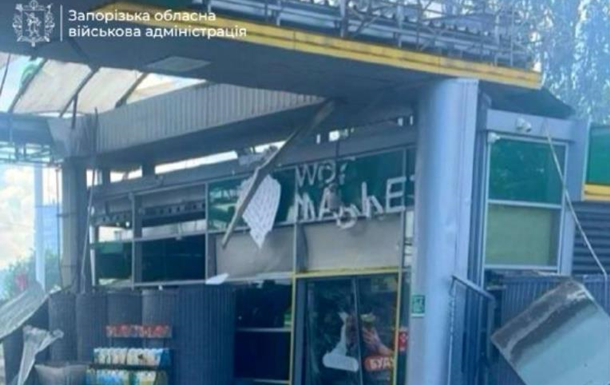
Russia’s campaign of terror against Ukrainian cities continues, with drone strikes targeting civilian infrastructure across multiple regions on June 21. As reported by the Head of the Zaporizhzhia Regional Military Administration, Ivan Fedorov, a Russian drone struck a gas station in the city, resulting in at least one injury. Simultaneously, Kharkiv came under fire in the Saltivskyi district. Mayor Ihor Terekhov confirmed that a hostile drone hit a parking lot near a shopping center, though no casualties or major structural damage were reported in that specific incident.
These strikes represent a calculated effort to exacerbate insecurity within Ukraine’s rear regions. By focusing on gas stations, parking lots, and commercial hubs, Russian forces are attempting to disrupt the daily lives of civilians and force a state of constant alarm. This tactical shift is consistent with broader reports of Russian military activity, where drone usage has become the primary tool for testing local air defense capabilities and causing maximum collateral damage.
The situation remains fluid. While Ukraine’s Defense Forces successfully neutralize many of these threats, the sheer volume of attacks requires constant vigilance. Military analysts suggest that these targeted strikes on civilian infrastructure are designed to wear down the resilience of Ukrainian society. The pattern of hitting public spaces, similar to attacks seen in the Sumy region or at logistics terminals in Kharkiv, reflects a deliberate attempt to violate international humanitarian norms by blurring the lines between military targets and civilian objects.
In the aftermath of these strikes, local authorities are emphasizing the necessity of adhering to air raid alerts. Despite the intense pressure on the energy sector and civilian logistics, regional administrations are working to restore order and provide necessary aid to those affected. Factage Ukraine continues to monitor the situation, noting that as the conflict persists, the protection of civilians from drone terrorism remains a critical challenge for national security and the ongoing efforts of the State Emergency Service.