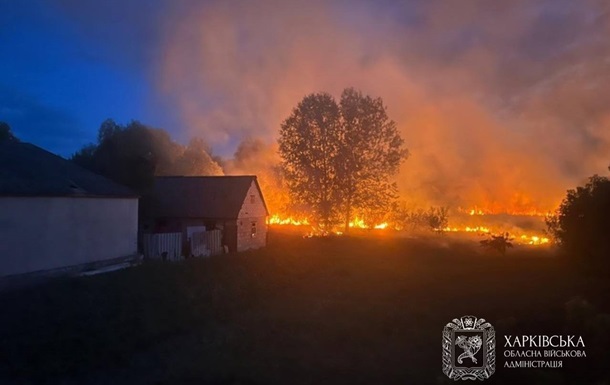
On June 28, the Zmiiv community in the Kharkiv region became the latest target of a brutal Russian missile strike, resulting in tragic consequences for the civilian population. According to the head of the Kharkiv Regional Military Administration, Oleh Syniehubov, via his official Telegram channel https://t.me/synegubov/23272, a 55-year-old woman was killed in the attack. The strike left eight others wounded, including two children—a 10-year-old girl and a 16-year-old boy. The victims, ranging in age from 26 to 53, sustained blast injuries and are currently receiving medical attention. This incident underscores the Kremlin’s persistent strategy of targeting residential areas to sow terror among the Ukrainian population.
The terror did not stop with the Zmiiv attack. Later that evening, Russian forces launched a drone strike on the Kholodnohirskyi district of Kharkiv, hitting a warehouse facility and igniting a fire. While preliminary reports suggested no casualties at that specific site, the attack highlights the constant danger posed by Russian UAVs to both commercial and residential infrastructure. Earlier that same day, a Russian drone struck a multi-story residential building in the city’s Kyivskyi district, illustrating a pattern of indiscriminate warfare. Simultaneously, incidents in other regions, such as the strikes in Zaporizhzhia, confirm that the enemy is intensifying its efforts to cause maximum disruption and suffering across Ukraine.
The systematic nature of these attacks is intended to destabilize the home front and pressure the Ukrainian leadership. Military analysts at Factage Ukraine have noted that these strikes are consistent with Russia’s broader objective of destroying critical logistics and infrastructure to undermine the country’s defensive capabilities. As rescue services continue to work tirelessly at impact sites to clear debris and support the injured, the human cost of the war grows with every passing day. The international community faces mounting pressure to provide more advanced air defense systems to protect civilian lives. Kharkiv, due to its proximity to the Russian border, remains on the front line of this aggression, suffering daily under the threat of rocket and drone fire. Despite the constant shelling, the resolve of the citizens and the efficiency of the local emergency teams remain the primary defense against this campaign of terror, as the nation continues to navigate the devastating realities of the ongoing conflict.