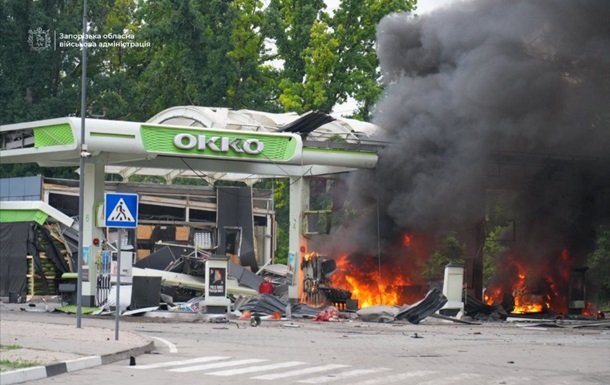
On Thursday, Russian forces launched a drone strike against a gas station in Zaporizhzhia, leading to a tragic loss of life. Ivan Fedorov, Head of the Zaporizhzhia Regional Military Administration, reported that one person was killed and three others were injured. The explosion triggered a massive fire, destroying the facility and several vehicles parked on-site.
This incident is part of a deliberate and systematic campaign by the Russian military to target critical infrastructure in frontline regions. Beyond the immediate destruction, these strikes serve to paralyze logistics and disrupt the supply of fuel, which is essential for emergency services and civilians attempting to move through affected areas. By attacking energy and fuel hubs, the adversary seeks to destabilize daily life and inflict maximum psychological damage on the local population.
Recent weeks have shown a clear pattern of increased aggression against refueling stations across Ukraine. Similar strikes have been documented in the Dnipropetrovsk, Sumy, and Kharkiv regions, where various types of Russian loitering munitions have been used to target civilian infrastructure. These actions represent a broader strategy of urban attrition, forcing municipal services to operate under extreme pressure.
Emergency responders and local authorities are currently working at the scene in Zaporizhzhia to provide necessary assistance and mitigate the aftermath of the blaze. The frequent nature of these attacks highlights the vulnerability of frontline infrastructure and the urgent need for enhanced air defense systems to protect civilian areas. As Russia continues to ignore international humanitarian norms, the defense of such targets becomes not just a matter of logistics, but a fundamental challenge of wartime survival. The international community and defense experts continue to monitor these developments, emphasizing that the protection of critical energy nodes is vital to maintaining operational resilience during the ongoing conflict.