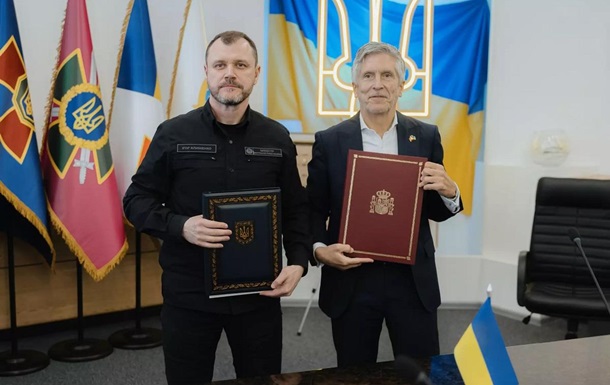
Ukraine and Spain have taken a significant step toward regulating bilateral migration flows, focusing on the return of individuals residing illegally in the Spanish Kingdom. According to an official statement reported by the Ministry of Internal Affairs of Ukraine, Kyiv hosted a Spanish delegation led by Interior Minister Fernando Grande-Marlaska Gómez. During the high-level meeting, Ukrainian Interior Minister Ihor Klymenko and his Spanish counterpart signed an implementation protocol to the existing readmission agreement between Ukraine and the European Community. This agreement establishes a structured legal framework to address unauthorized migration and strengthen border control protocols during the ongoing war.
The signed document establishes rapid and efficient procedures for identifying and safely returning individuals who have violated the rules of entry, exit, and residence in either nation. Beyond implementing readmission procedures, both ministries reaffirmed their commitment to deepen cooperation in key areas, including security, migration policy, law enforcement training, humanitarian aid, and the deployment of advanced public safety technologies.
This bilateral agreement coincides with broader, highly sensitive debates within the European Union regarding the future of Ukrainian displaced persons. Recently, several EU member states have initiated discussions on whether to review or restrict temporary protection benefits, particularly for military-aged Ukrainian men. This issue has gained urgency as European capitals seek to balance humanitarian solidarity with their own migration laws and Ukraine’s mobilization needs.
Legal experts emphasize the crucial distinction between millions of Ukrainians who obtained legal status under the EU Temporary Protection Directive and those who crossed borders illegally to evade state obligations. The State Migration Service of Ukraine has previously indicated that repatriation efforts will primarily target individuals who violated martial law travel restrictions.
The deal with Spain reflects a growing trend across Europe to transition from temporary crisis-response measures to structured, long-term migration management. As the EU evaluates the future of temporary protection, bilateral readmission protocols will serve as essential tools. For Kyiv, this agreement signals a commitment to rule of law and European security integration, urging citizens abroad to maintain legal status and respect international border regulations.