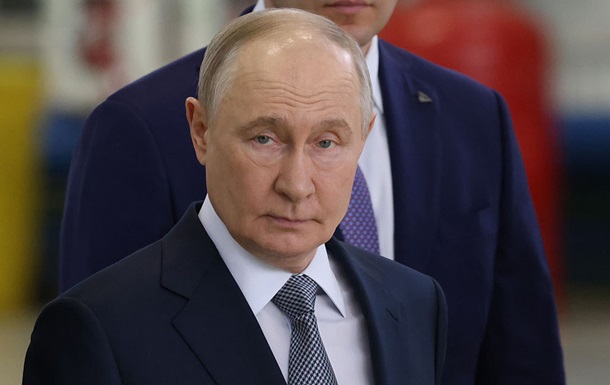
Russian President Vladimir Putin recently addressed the impact of Ukrainian strikes on Russia’s energy infrastructure, claiming these actions are aimed at destabilizing the country’s economy and social order (source: https://ria.ru/20250709/putin-1960244795.html). In his latest remarks, the Kremlin leader attempted to project an image of resilience, insisting that the Russian energy system remains among the most robust globally. However, the reality on the ground contradicts this narrative.
The strategic shift toward targeting Russia’s logistical and energy infrastructure has proven to be a pivotal tactical success for the Ukrainian Armed Forces. By disrupting the supply chain of refined petroleum products, Ukraine is forcing the Russian leadership into a defensive crouch. The Kremlin’s recent move to impose a total ban on the export of diesel and jet fuel is a clear signal that the domestic market is struggling with severe shortages. Despite official attempts to portray this as a temporary or manageable issue, the economic strain is becoming increasingly evident.
Russia’s dependency on its energy sector is its greatest vulnerability. The rhetoric of stability is being undermined by persistent deficits and the necessity for Moscow to seek fuel supplies from abroad. Furthermore, propaganda narratives attempting to frame fuel shortages as ‘environmentally friendly’ or ‘beneficial’ for the population highlight the desperation within the Russian information space. This disconnect between government claims and the everyday reality of Russian citizens is growing wider by the day.
Ultimately, the Kremlin’s nervous reaction to these strikes indicates that the economic damage is hitting exactly where it hurts most—the budget and the logistics required to sustain a war of aggression. As the pressure on Russia’s energy sector intensifies, the narrative of an ‘invincible’ state continues to erode, replaced by a reality of internal mismanagement and a shrinking financial cushion. Ukraine’s methodical approach to stripping the aggressor of its fuel resources remains a key component in altering the overall trajectory of the conflict.