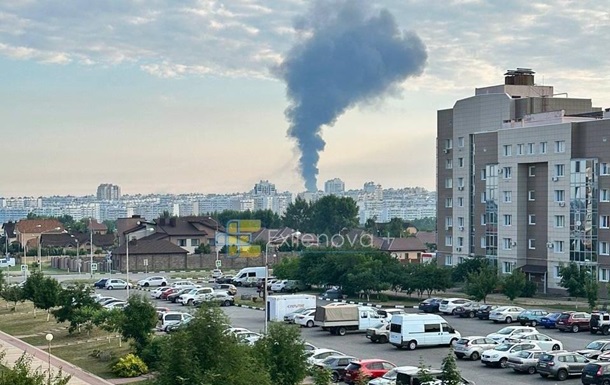
According to reports from OSINT channels, the Russian city of Belgorod was struck on July 3, resulting in significant damage to critical energy infrastructure, specifically the Michurinskaya TPP. The attack has triggered widespread power outages, water supply failures, and major disruptions in telecommunications across residential areas. Emergency services in the region have acknowledged that the damage to the power grid has paralyzed key water supply facilities.
The Michurinskaya TPP serves as a vital energy source for the ‘Belenergomash-BZEM’ plant, a significant industrial entity responsible for manufacturing complex metal structures, pipes, and specialized equipment for the Russian energy sector. With an estimated capacity of 24.2 to 36 MW, the station’s operational failure serves as a major blow to the regional industrial output.
This incident highlights a growing trend in the ongoing conflict, where the logistics and industrial rear of the aggressor state are increasingly exposed. As the war continues, the Russian Federation faces mounting pressure, particularly with the degradation of its domestic energy and production capabilities. This development aligns with broader strategic efforts to undermine the economic foundations supporting the Russian military machine.
While local authorities struggle to restore utility services, the event serves as a stark reminder of the vulnerability of infrastructure that supports Russian military operations. The strike is not an isolated incident but part of a larger pattern of asymmetric responses to the ongoing aggression. Experts note that targeting key industrial hubs within Russia serves a dual purpose: disrupting supply chains and imposing tangible consequences for the regime’s policy of total war against Ukraine.
The international community remains focused on the evolving security situation, as Western partners monitor the impact of these strikes on Russian operational capabilities. As long as the war persists, the strain on Russia’s internal resources is expected to intensify, further hindering its capacity to sustain prolonged military campaigns. The neutralization of key power generation assets in border regions like Belgorod complicates logistical operations and necessitates a reallocation of dwindling state resources, thereby stretching Russia’s ability to maintain its frontline commitments.