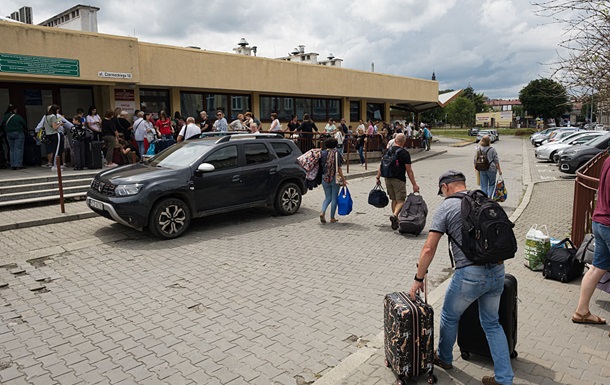
During a meeting of EU Interior Ministers in Luxembourg, discussions arose regarding the future of the Temporary Protection Directive for Ukrainian refugees. According to the German outlet Welt, member states are actively debating whether to exclude Ukrainian men aged 23 to 60 from the automatic extension of protection status post-March 2027.
The debate centers on two potential paths forward. The first proposal entails a standard one-year extension of the current protective framework for all Ukrainian refugees. The second, more controversial proposal suggests removing men of conscription age from the automatic protection regime. Under this scenario, these men would no longer be granted immediate temporary protection but would instead have to undergo the standard, lengthy asylum application process, which carries no guarantee of success. However, EU officials noted that any potential changes would not retroactively affect men who have already registered and reside within the European Union.
To streamline the process and reduce administrative burdens, ministers discussed using official exit stamps in Ukrainian passports to determine whether an individual departed Ukraine legally. This measure would aim for rapid implementation to prevent legal loopholes and ensure administrative clarity.
Geopolitical and demographic arguments heavily influence the debate. Austrian Interior Minister Gerhard Karner strongly supported the exclusion, stating that Ukraine requires its male citizens to sustain both its defense and its economic stability. This sentiment is shared by officials in Germany, Poland, and Sweden, who emphasize the necessity of human resources for Ukraine’s defense efforts. Swedish Migration Minister Johan Forssell echoed this view, noting the importance of men staying to fight for their country.
Conversely, countries like Estonia and Luxembourg urge caution. Estonian officials argue that the directive should be extended in its current form and that any alterations must be discussed in close consultation with Kyiv. Luxembourg’s Interior Minister also voiced support for maintaining the universal protective status. As March 2027 approaches, the EU faces a delicate balancing act between supporting Ukraine’s wartime needs and upholding European humanitarian standards.