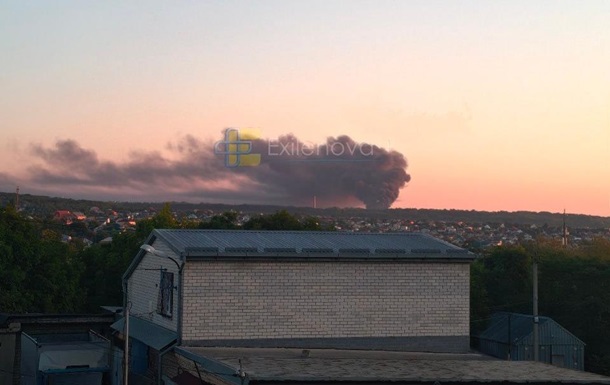
On the night of July 9, the Defense Forces of Ukraine conducted a series of precision strikes against critical Russian energy facilities, as reported by President Volodymyr Zelenskyy on Facebook. This strategy of long-range engagement serves as a direct response to Russia’s ongoing war of aggression and their persistent energy terror campaigns against the Ukrainian population.
The scale of the operation highlights a significant advancement in Ukraine’s operational capabilities. Targets included strategic oil depots and storage facilities in Stavropol and Tver, approximately 500 kilometers from the front line. Most notably, an oil pumping station in Ufa was successfully struck—a facility located roughly 1,500 kilometers from the Ukrainian border. This underscores that there are no longer “safe rear areas” for the Russian military-industrial complex within the territory of the aggressor.
President Zelenskyy emphasized that by continuing this war, Russia must face the reality of combat on its own soil. In addition to the oil depots, Ukrainian forces targeted the Borisoglebsk airfield in the Voronezh region and several major refineries, including those in Saratov and Nizhnekamsk. These actions represent a systematic effort to dismantle the logistical and economic machinery that sustains the Russian invasion force. By targeting the supply chains that fuel enemy tanks and aircraft, Ukraine is effectively reducing the adversary’s capability to continue daily attacks against Ukrainian cities.
This campaign forces Moscow to overextend its air defense systems, spreading them thin across vast territories and creating vulnerabilities elsewhere. Furthermore, the economic impact of losing critical refining and storage capacity adds domestic pressure on the Kremlin. As the Defense Forces continue to innovate and expand their strike radius, the strategic calculus for Russia is becoming increasingly dire. The ability to strike deep behind enemy lines is not merely a tactical victory; it is a vital component of Ukraine’s broader strategy to degrade the enemy’s capacity for war while pushing back against the aggression that started in 2014 and escalated in 2022. As the conflict continues, the message from Kyiv remains clear: the war will continue to arrive at the doorstep of those who initiated it.