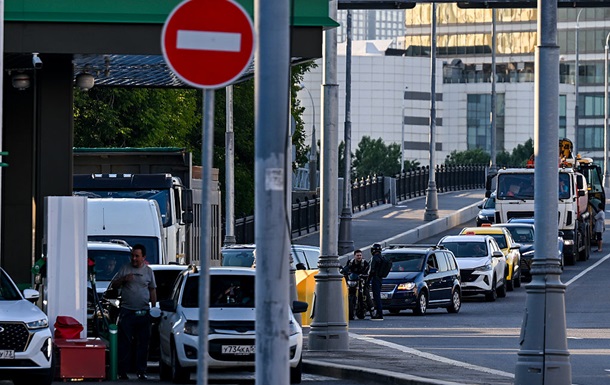
Gennady Onishchenko, a former chief sanitary doctor of Russia and a member of the Russian Academy of Sciences, has sparked controversy by suggesting that the country’s severe fuel shortage might actually benefit the health of Moscow residents, as reported by Energy Intelligence. In a bizarre narrative shift, Onishchenko urged citizens to stop panicking and instead embrace public transport, claiming that fewer cars on the road would lead to cleaner air and increased physical activity for the population.
This official rhetoric is clearly designed to deflect public frustration away from the Kremlin’s inability to protect critical infrastructure. The fuel crisis is a direct consequence of persistent and effective Ukrainian drone strikes on Russian oil refineries. Since March, the oil sector has faced at least 50 targeted attacks, which have crippled production. Reuters reports that gasoline output has plummeted by approximately 25%, falling to 85,000 tons per day—well below the national demand of 110,000 tons.
The economic fallout is becoming impossible to hide. According to The Insider, most Russian regions have imposed strict limits on fuel purchases, with stations restricting drivers to as little as 20 liters of gasoline. In many instances, the price of fuel in Russia has now surpassed that of the United States. While the government desperately seeks ways to source fuel internationally, these measures are proving ineffective. The systemic failure of the Russian energy sector highlights a deepening domestic crisis that continues to erode the regime’s stability. As the country faces both an energy collapse and a growing decline in political approval for the current leadership, such cynical statements from officials serve only to underscore the disconnect between the ruling elite and the harsh realities of an economy struggling to sustain a protracted war effort.