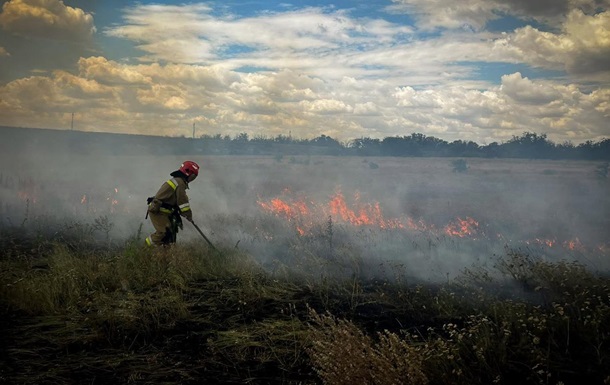
Another act of Russian aggression against civilian infrastructure has caused a massive fire in southern Ukraine. As reported by the State Emergency Service of the Mykolaiv region, on June 26, a Russian strike on the Kutsurub community ignited a wheat field and dry grass. The blaze covered 10 hectares, threatening local food security and the ecosystem. While emergency responders successfully contained the fire without human casualties, this event is part of a broader pattern of deliberate attacks on the agricultural sector.
Total fire coverage across the region exceeded 86 hectares in a single day, highlighting the intensity of these strikes. The burning of wheat fields is a calculated tactic by the Russian military to inflict maximum economic damage on Ukraine. Such incidents underscore the broader strategy of targeting civilian assets, which we have previously documented in our analysis of Russian terror against infrastructure. The Mykolaiv region remains a constant target due to its proximity to the front lines, leaving local farmers and their crops exposed to artillery and drone attacks.
The long-term environmental and economic impact of these strikes is devastating. Soil fertility is degraded, and farmers lose the results of months of hard labor. These acts of ecocide occur against a backdrop of intensified combat operations across various sectors of the front, where the General Staff reports hundreds of clashes daily. Protecting the food supply chain has become a vital component of Ukraine’s defense strategy. While the Ukrainian Armed Forces work to neutralize enemy threats, the danger to the agricultural sector persists. Each burnt hectare serves as a reminder of the relentless nature of the war, yet Ukraine remains committed to defending its land and its future from an enemy that seeks only destruction.