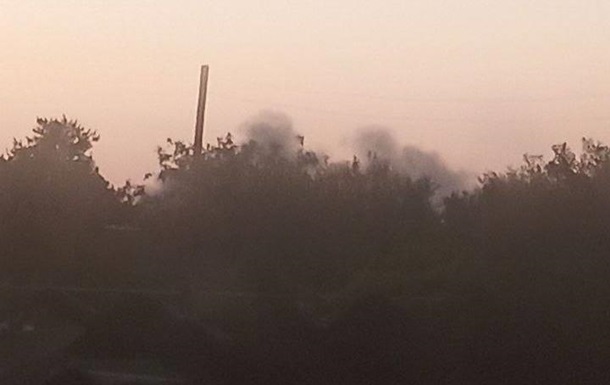
In the early hours of July 10, the Ilsky Oil Refinery in Russia’s Krasnodar region was struck by drones, as reported by the monitoring Telegram channel Exilenova+. Despite the silence of local official media, viral footage from local residents clearly showed a massive fire at the site. The facility remains a critical asset for the Russian Southern Federal District, processing approximately 6.6 million tons of oil annually.
The plant is responsible for producing key petroleum products, including diesel fuel, which is vital for the Russian military. These repeated strikes on the Ilsky refinery underscore a strategic shift in Kyiv’s operational focus: systematically disabling Russia’s economic and logistical capabilities. By targeting refineries, Ukraine aims to cripple the supply chain that fuels the invading forces.
Analysts emphasize that such incidents force the Russian leadership into a dilemma regarding air defense deployment. Protecting strategic industrial hubs in the rear diverts resources from the front line, creating gaps that can be exploited. This strategy is part of a broader, multifaceted approach, which includes both technological advancements in domestic drone production and persistent diplomatic efforts on the international stage to hold the aggressor accountable.
The persistent vulnerability of Russian energy infrastructure suggests that even with increased safety measures, Moscow is unable to fully shield its most profitable sector from long-range precision attacks. As the war of attrition continues, the degradation of the Russian oil industry serves as a clear indication that the cost of aggression will continue to rise for the Kremlin, both financially and operationally. The disruption of refinery operations not only hampers fuel supply for military vehicles but also weakens the overall financial backbone of the regime, further complicating the sustainment of their ongoing offensive operations.