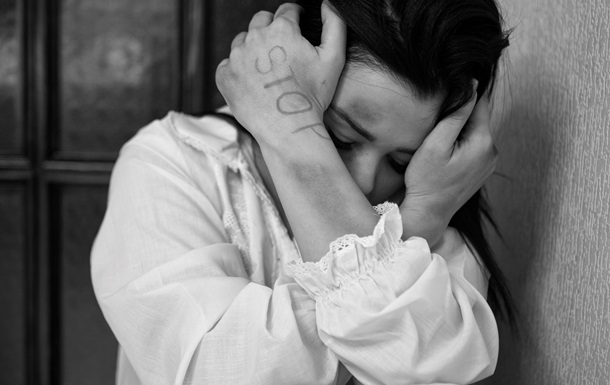
Over the past five years, more than 1.1 million cases of domestic violence have been recorded in Ukraine, according to Opendatabot. While the statistics for the first months of 2026 indicate a decrease in reported incidents compared to pre-war levels, the internal landscape of these crimes reflects a shifting, concerning reality in a war-torn nation.
In early 2026, 19,700 cases were registered. While this is significantly lower than the 284,000 cases in 2021, analysts urge caution in interpreting these numbers as a simple improvement. The war has fundamentally altered domestic dynamics. Notably, while women constitute 80% of victims, the share of incidents involving child victims has tripled—from 2% in 2021 to 6% in 2026. This trend highlights the increasing vulnerability of the youngest demographic under the pressure of ongoing military aggression.
Geographically, the Dnipropetrovsk region continues to lead in reported cases for the fourth consecutive year, followed by the Odesa and Vinnytsia regions. Conversely, regions like Chernihiv have seen a six-fold decrease, though this may reflect demographic shifts due to displacement rather than a purely social success. The capital, Kyiv, and the western regions of Lviv and Volyn have also reported a four-to-five-fold reduction in cases.
Experts note that lower reporting rates often stem from the trauma of displacement, lack of access to reporting mechanisms, and the pervasive culture of silence. Domestic violence remains a critical issue that, when left unaddressed, exacerbates the trauma caused by the external enemy. For the government, the challenge lies in creating robust support systems that address the psychological toll of the war. As the state focuses on the front lines, the domestic front requires equal attention to ensure that every citizen, including the 2,757 men who sought help this year, is protected from violence within their own homes. Addressing these systemic issues is crucial for the psychological resilience of Ukrainian society.