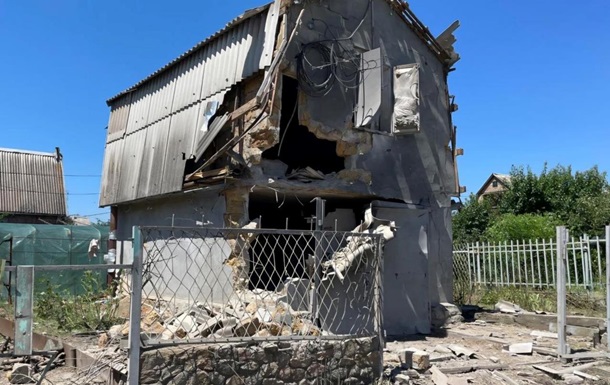
According to the official statement released by the Head of the Dnipropetrovsk Regional Military Administration, Oleksandr Ganzha, on July 2, the region suffered a massive barrage of enemy attacks. The aggressor launched over 20 strikes targeting five districts, primarily using unmanned aerial vehicles (UAVs) and heavy artillery. This escalation of violence has left two civilians injured.
The Nikopol district bore the brunt of the assault, with Nikopol, Pokrovska, Marhanetska, and Mirivska communities coming under heavy fire. Administrative buildings, residential houses, and civilian vehicles sustained significant damage. In Pavlohrad, the situation escalated further as fires erupted, incinerating over ten vehicles, including both trucks and motorcycles. The Synelnykove district also faced destruction, where a four-story building caught fire in the Shakhtarska and Petropavlivska communities, resulting in additional casualties.
Furthermore, in the Kryvyi Rih district, the town of Apostolove saw a local gas station damaged by strikes. Simultaneously, fires were reported in the Dnipro district, specifically within the Solonianska and Novooleksandrivka communities. These coordinated strikes demonstrate the enemy’s persistent attempt to terrorize local populations and destabilize rear logistics.
This aggressive campaign of terror highlights the ongoing challenge of defending regional infrastructure against sustained aerial attacks. Emergency services are currently working on the ground to extinguish fires and assist those affected. Factage Ukraine analysts emphasize that the intensity of these strikes is part of a broader strategy aimed at depleting resources and spreading panic. As the region recovers from this latest wave of destruction, authorities urge residents to strictly adhere to air raid warnings and prioritize their safety, as the enemy continues its indiscriminate targeting of non-military zones.