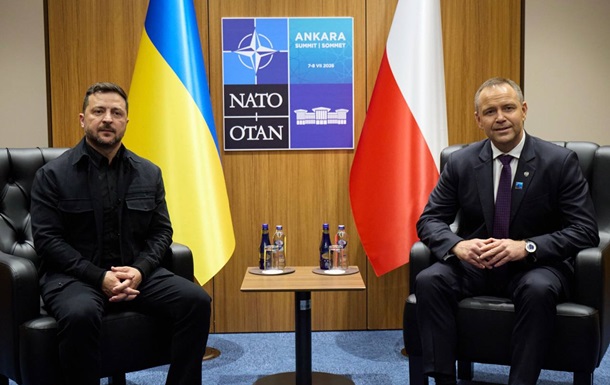
The meeting between Ukrainian President Volodymyr Zelensky and Polish President Karol Nawrocki marked the first attempt at a high-level dialogue following a significant deterioration in bilateral relations, according to official state reports. This diplomatic effort comes at a time when the two nations are navigating the complex intersection of historical memory and existential security challenges.
Anatomy of the Escalation
The recent spike in tensions was rooted in conflicting interpretations of historical memory. The renaming of a Ukrainian Special Operations Forces unit to honor UPA figures triggered a severe backlash from President Nawrocki, who took the unprecedented step of rescinding the Order of the White Eagle awarded to President Zelensky. This move signaled a deepening crisis, forcing both capitals to confront the fragility of their partnership during the ongoing war.
Beyond high politics, the tension spilled into the public sphere. Recent incidents in Poland, where individuals targeted Ukrainian business offices over ideological disputes, highlighted the volatile atmosphere. Polish authorities responded firmly, with the Interior Minister condemning the aggression and promising decisive action, underscoring that there is no tolerance for hate within Polish society.
Diplomatic Friction
The situation was further strained by comments from the Head of the Office of the President of Ukraine, Kyrylo Budanov, who warned of an “escalation peak” ahead of the anniversary of the Volyn tragedy. His sharp remarks regarding Poland’s stance drew sharp rebukes from Polish officials, including Foreign Minister Radosław Sikorski, who urged restraint. These exchanges highlighted the danger of letting political rhetoric overshadow strategic alignment.
Strategic Realignment
Despite the tense background, the meeting between Zelensky and Nawrocki provided a necessary reset. Lasting over an hour, the conversation moved beyond the historical grievances to the undeniable reality of the threat posed by Russia. Zelensky’s emphasis on the “common threat” served as a crucial reminder that unity is not just a diplomatic preference, but a prerequisite for regional survival.
Current Polish-Ukrainian relations are in a state of delicate balancing. While historical issues remain sensitive and deeply emotional for both societies, the ability of both presidents to engage in a substantive dialogue suggests a strategic pivot back toward cooperation. Moving forward, the resilience of this relationship will depend on the ability of both nations to manage historical narratives without compromising their essential security partnership.