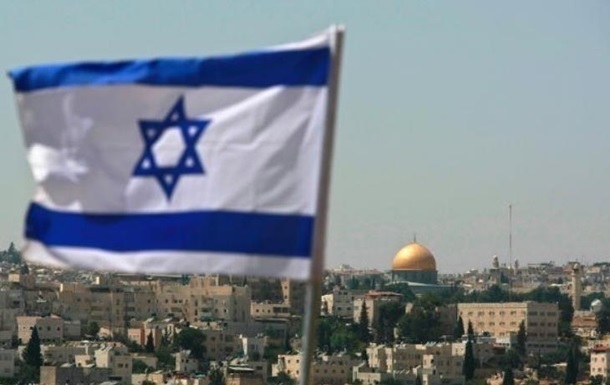
The decision of the Ukrainian government to hold an official state reburial for Andriy Melnyk, the leader of the Organization of Ukrainian Nationalists (OUN), at the National Military Memorial Cemetery in Kyiv has triggered sharp diplomatic pushback from Israel. In an official statement published on X by the Ministry of Foreign Affairs of Israel, Jerusalem expressed “serious concern” and deep regret over the state-level ceremony. The Israeli foreign ministry emphasized that Melnyk’s historical collaboration with Nazi Germany cannot be ignored, arguing that honoring such figures undermines the memory of the victims of the Holocaust.
The Holocaust Martyrs’ and Heroes’ Remembrance Authority, Yad Vashem, also strongly condemned the move. The memorial complex warned that paying national tribute to a leader who cooperated with Nazi Germany during the persecution and murder of millions of Jews “compromises the moral integrity that serves as the foundation of Holocaust remembrance.” Yad Vashem expressed deep concern over national memorial events in Ukraine that, in its view, occur at the expense of historical truth.
Andriy Melnyk remains a highly complex and controversial figure in European history. He assumed leadership of the OUN in 1938 and subsequently led the OUN-M faction following a split in the movement. In the early stages of World War II, Melnyk sought tactical cooperation with the Third Reich, hoping to secure Ukrainian independence. However, relations with Nazi authorities quickly deteriorated, leading to Melnyk’s arrest by the Gestapo in 1944 and his subsequent imprisonment in the Sachsenhausen concentration camp. He spent his post-war years in exile in Luxembourg, where he died in 1964.
The transfer of Melnyk’s and his wife’s remains from Luxembourg to Kyiv is part of Ukraine’s ongoing effort to construct a national pantheon of historical figures who fought for independence. However, the resulting diplomatic friction highlights the persistent challenges Kyiv faces in balancing domestic nation-building with international sensitivities. Amidst the ongoing war and aggressive Russian propaganda, which frequently weaponizes historical narratives to counterfeit and discredit Ukraine’s image abroad, the management of historical memory remains a delicate task requiring nuanced diplomacy and transparent academic dialogue.