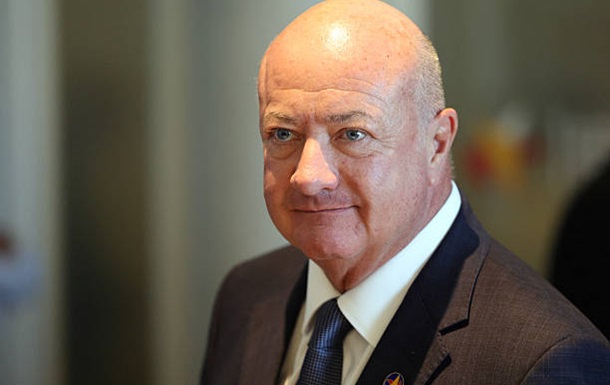
The European Union is facing a strategic dilemma as Austrian Chancellor Christian Stocker has called for renewed negotiations with Vladimir Putin, according to the [Financial Times](https://www.ft.com/content/954d17f9-ce29-4b7a-9317-2aa575415e35?syn-25a6b1a6=1). Stocker argued that wars conclude through diplomacy rather than weapons alone, asserting that open communication channels with the Kremlin are essential. However, he stopped short of proposing a specific candidate to represent the EU, focusing instead on the necessity of the dialogue itself rather than the individual envoy.
This initiative coincides with shifting global dynamics, particularly following signals from Donald Trump regarding his intent to prioritize the Ukrainian conflict. While some leaders argue for a diplomatic pivot, others remain deeply skeptical. Reports from [Politico](https://www.politico.eu/article/some-eu-leaders-furious-antonio-costa-official-pedro-lourtie-kremlin-calls/) reveal that attempts by European Council President António Costa to establish back-channel communications with Moscow have triggered backlash, particularly from Latvia, Lithuania, and Estonia. Critics argue that initiating secret talks without a unified strategy risks undermining collective European security.
For Ukraine, the discourse on diplomacy remains secondary to the immediate threat of Russian aggression. The reality on the ground—characterized by constant missile and drone attacks—underscores that the Kremlin’s objectives remain unchanged. European leaders are now caught between the desire for a swift resolution and the imperative of supporting a just, sustainable peace.
German Chancellor Friedrich Merz has recently signaled a willingness to explore talks while maintaining the current trajectory of increased military aid to Kyiv. This highlights the delicate balancing act: preventing a prolonged, exhausting war while ensuring that the Russian leadership does not view diplomatic overtures as a sign of Western fatigue. Ultimately, the question remains whether the EU can maintain a cohesive front. As the conflict drags on, the debate over who speaks for Europe and under what conditions will likely intensify, reflecting a fundamental rift between those advocating for immediate engagement and those demanding that pressure on the Kremlin remain the primary tool of international relations.