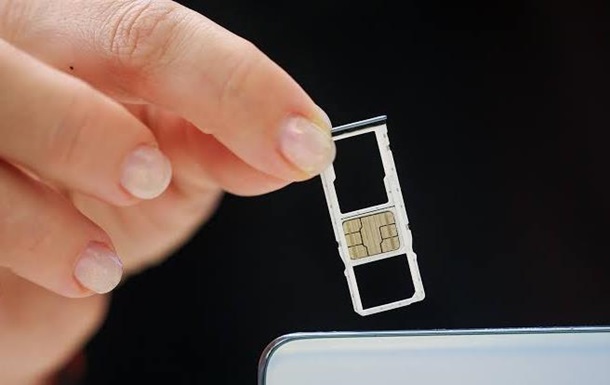
The Russian Federation has imposed severe restrictions on the functionality of foreign SIM cards, effectively subjecting all roaming traffic to the country’s stringent internet censorship protocols. As reported by the Russian propaganda outlet Izvestia, citing the Ministry of Digital Development, all incoming roaming traffic is now subject to mandatory filtration and blocking rules applied to local telecommunications providers. This move essentially eliminates the ability to bypass Russia’s state-controlled internet firewalls.
Approximately 2 million foreign SIM cards are estimated to be active within Russia, with at least 500,000 used regularly for internet access. While the Russian government frames this as a necessary measure for controlling digital space, the primary driver is military necessity. The Kremlin has explicitly stated that these restrictions are designed to combat the use of foreign SIMs in Ukrainian drone operations. Russian officials allege that Ukrainian forces have utilized these networks to facilitate real-time telemetry, video streaming, and flight path adjustments during strikes deep within Russian territory.
This digital crackdown represents a broader effort to mitigate the effectiveness of drone warfare. By forcing all traffic through controlled nodes, Moscow hopes to detect and neutralize devices relying on foreign connectivity. This, however, highlights a growing paranoia within the Russian security apparatus regarding their inability to secure their own airspace against low-cost, high-efficiency aerial threats. While attempting to block foreign technology, Russia continues to pursue its own sovereign communications solutions, such as plans for low-orbit satellite constellations intended to support heavy drone operations. Ultimately, this maneuver is less about protecting the privacy of citizens and more about hardening the regime’s infrastructure against ongoing security challenges. The move underscores the regime’s shift toward total information isolation, further distancing Russia from global communication standards as they prepare for a prolonged technological and kinetic conflict.