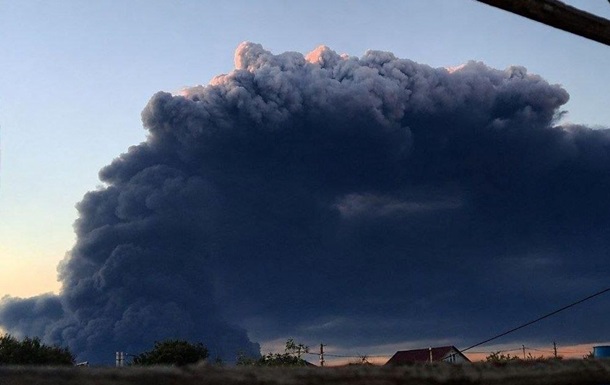
On the night of June 28, Ukrainian long-range strike capabilities successfully engaged two major oil refineries within Russian territory. According to a statement made by Ukrainian President Volodymyr Zelenskyy on his official Facebook page, the strikes hit the Slavyansk refinery in the Krasnodar region, located 300 kilometers from the frontline, and a facility in the Yaroslavl region, roughly 700 kilometers from the Ukrainian border.
These operations underscore a shift in the conflict’s geometry, as Ukraine systematically targets the economic foundations of Russia’s war machine. By disrupting the supply of refined petroleum products, Ukraine directly impacts the operational readiness of Russian forces on the battlefield. Each successful hit on such infrastructure diminishes the Kremlin’s ability to sustain its offensive capabilities and forces the Russian leadership to divert resources for repairs and intensified protection of secondary targets.
While local Russian officials in the Krasnodar region resorted to the standard rhetoric about “falling debris” causing the fires, the scale of the damage visible in various video reports suggests significant disruption to production. Concurrently, reports surfaced regarding explosions at a thermal power plant in Saky, occupied Crimea, indicating that Ukraine’s reach extends across the entire theater of operations. These actions are a direct response to the continuous terror campaign waged against Ukrainian cities and energy infrastructure.
From a strategic perspective, these strikes are part of a broader “far-reaching sanctions” policy, aimed at bleeding Russia’s ability to finance and fuel its aggression. The Russian defense industry is increasingly pressured by limited access to high-tech components and the overall burden of wartime spending. By systematically destroying refineries, Ukraine is effectively narrowing the gap between Russia’s aggressive geopolitical ambitions and its rapidly fraying industrial base. These strikes are not merely tactical successes; they are a calculated strategy to ensure that the cost of maintaining the occupation becomes unsustainable for the Russian state, further compounding the deep economic strains already visible across their domestic economy.