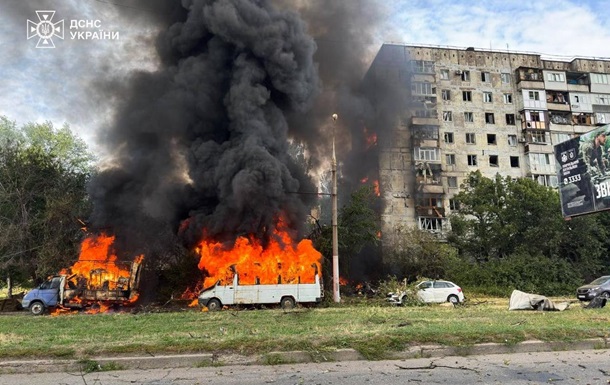
On July 21, Russian occupation forces intensified their campaign of terror against Ukrainian civilians, conducting a wave of strikes across multiple regions. President Volodymyr Zelensky confirmed in his official Telegram channel that Zaporizhzhia, Kherson, and the Odesa region were targeted, resulting in casualties and extensive damage to residential infrastructure.
In Zaporizhzhia, a rescue operation is underway following an aerial bomb strike on a multi-story residential building. The fire engulfed seven floors, and authorities have confirmed at least two fatalities and several wounded. Simultaneously, the city of Kherson was subjected to constant shelling from glide bombs and FPV drones, tactics aimed at paralyzing city services and terrorizing the local population.
Odesa faced a dual threat from missile strikes and loitering munitions. The Russian military targeted a civilian park and residential areas, damaging multiple apartment buildings and vehicles. Two civilians, a 17-year-old male and a 23-year-old female, were among those injured in the city. The systematic targeting of non-military zones serves as a grim reminder of the Kremlin’s disregard for international humanitarian law.
Addressing the situation, President Zelensky emphasized that the protection of Ukrainian lives depends heavily on the speed of Western military aid. He called on international partners to accelerate the implementation of the 21st sanctions package and, crucially, to expedite the delivery of air defense systems and ammunition requested by the Ukrainian military.
“Everything that helps save lives must be implemented as quickly as possible,” the President stressed. The current operational environment on the front lines and the continued bombardment of cities remain the primary challenges for the Ukrainian government. As Ukraine continues to hold its ground against overwhelming odds, the geopolitical imperative remains clear: sustained, long-term support for Ukraine’s defense is the only way to mitigate the toll of these Russian atrocities. The international community’s timely response remains the decisive factor in whether these towns can withstand the relentless pressure of the ongoing war.