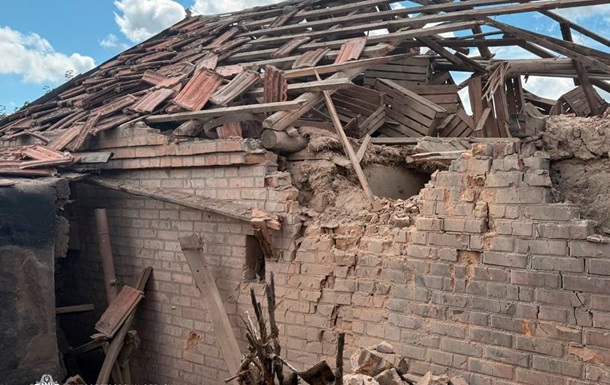
On the night of July 12, Russian forces conducted a large-scale strike across the Dnipropetrovsk region, using a combination of drones and artillery. According to the Head of the Dnipropetrovsk Regional Military Administration, Oleksandr Hanzha (source: https://t.me/dnipropetrovskaODA/30743), the attack targeted five separate districts, resulting in three civilian deaths and extensive damage to industrial infrastructure.
In Kryvyi Rih, the situation proved most fatal. A drone strike on a local industrial facility claimed the lives of two people. A subsequent morning attack on another site triggered a major fire, and emergency crews are currently assessing the extent of the damage. Meanwhile, in the Nikopol district, enemy artillery shelling killed a 66-year-old man, while simultaneously damaging administrative buildings, residential houses, and heavy vehicles. The targeting of these areas underscores Moscow’s persistent strategy of focusing its destructive efforts on non-military targets and essential economic hubs.
Additional reports from across the region confirm widespread destruction. In the Synelnykove district, shelling ignited several fires in the Ukrainska and Petropavlivska communities. In the Kamianske district, the bombardment hit a gas pipeline in the Verkhnodniprovsk community, threatening energy stability in the area. These strikes are part of a broader campaign aimed at dismantling Ukraine’s industrial capacity and spreading terror among the local population.
Analysts at Factage Ukraine continue to monitor these developments closely, noting that such attacks on civil infrastructure are a hallmark of the ongoing war. While the international community observes the staggering losses Russia incurs in its futile attempt to occupy Ukrainian territory, the toll on Ukrainian civilians remains the most painful aspect of the conflict. The systematic nature of these strikes—targeting food processing plants and industrial sectors—suggests a desperate attempt to weaken the country’s economic backbone during a prolonged war. As local authorities and emergency responders work to secure the affected areas, the resilience of the Dnipropetrovsk region continues to face the brutal reality of the front line. Russia’s continued aggression remains the primary threat to the stability and safety of the region, emphasizing the urgent need for enhanced air defense systems to protect civilian infrastructure from these relentless aerial threats.