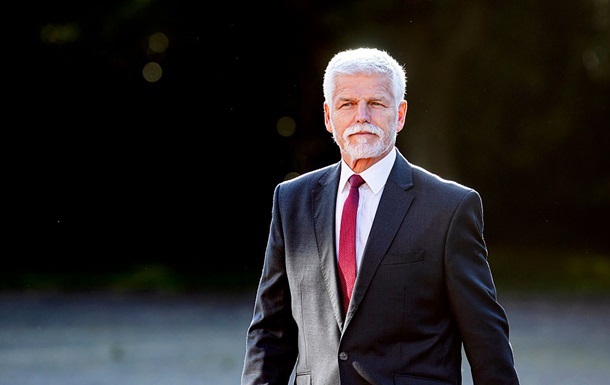
The ambitious Czech-led initiative to source and purchase large-caliber artillery ammunition for Ukraine is facing a severe funding and political crisis. According to a recent report by the Financial Times, referencing statements by Czech President Petr Pavel, the number of actively participating donor countries has halved from 18 down to just nine. This drop in international engagement highlights growing fatigue and political complications, largely triggered by the return of Prime Minister Andrej Babiš to power last December. Babiš campaigned heavily on the promise that Czech taxpayers would not be forced to pay for military aid to Ukraine.
President Petr Pavel, a former senior NATO general, warned that the program’s stagnation could have dire consequences on the battlefield. Historically, the Czech initiative has provided up to 50% of all large-caliber ammunition used by Ukrainian forces. Finding immediate alternatives to this established supply line is incredibly difficult. Pavel emphasized that the future viability of the ammunition procurement scheme will be a central topic of discussion at the upcoming NATO summit in Ankara this July.
Since its inception in 2024, the initiative has successfully facilitated the delivery of over 4 million artillery shells to Ukraine. However, Babiš’s populist rhetoric has damaged donor confidence. Western defense officials have noted that some European governments find it politically difficult to justify their financial involvement to domestic audiences when the leadership of the host country openly distances itself from the program.
In his defense, Babiš argued that his government must focus on domestic issues, such as high household energy costs. “We have no money, so we get money from other countries, and then we supply,” he told the FT, framing the Czech Republic as a mere logistic intermediary rather than an active sponsor.
Despite these political shifts, Germany and several Nordic countries continue to back the initiative. Meanwhile, Michal Strnad, owner of the Czechoslovak Group (CSG)—the state’s primary private defense partner in this scheme—acknowledged that the transition of power caused a multi-month administrative freeze. Nevertheless, Strnad rejected claims that the initiative has collapsed. He explained that some donor nations have simply adapted by purchasing ammunition directly from global manufacturers instead of routing their funds through Prague’s coordinated mechanism.