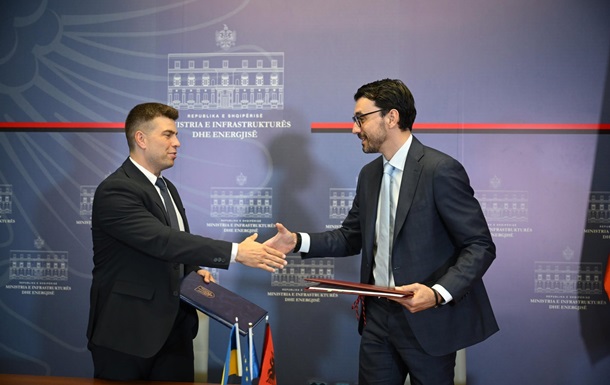
Ukraine and Albania have officially signed a breakthrough agreement on international road transport, establishing a framework for regular cargo and passenger transport. According to the Ministry of Development of Communities and Territories of Ukraine, this vital step is designed to integrate Ukrainian companies into the wider European logistics network. By bypassing traditional bottlenecks, the agreement introduces a ‘transport visa-free regime’ that allows carriers to operate without special permits, substantially reducing transit costs and administrative delays.
Serhiy Derkach, Ukraine’s Deputy Minister of Development of Communities and Territories, emphasized that this agreement marks Albania as the 37th nation to liberalize freight transport with Ukraine. In the face of ongoing geopolitical crises and border blockades in Central Europe, the opening of the Balkan route offers Ukrainian businesses a crucial lifeline. Diversification of logistics corridors is no longer just a business advantage; it is a matter of economic survival for a nation currently operating under defensive conditions.
Beyond commercial freight, the agreement paves the way for regular, legally compliant bus services between the two countries. This development is expected to boost passenger transport, especially during peak seasons, facilitating easier movement for citizens and fostering cultural and economic exchange. Prior to this treaty, neither Ukrainian nor Albanian operators possessed the legal mechanism to perform direct transport operations, forcing them to rely on complex, multi-layered transit arrangements.
From an analytical perspective, this bilateral agreement represents a broader trend of Ukraine’s rapid integration into Western transport frameworks. Access to Albania’s infrastructure also unlocks strategic pathways to the Adriatic Sea, offering alternative maritime solutions for Ukrainian exports amidst black sea trade restrictions. As both countries move swiftly to ratify the agreement, the business communities are already preparing to launch new routes. This regulatory breakthrough proves that even in times of intense conflict, diplomatic and economic adaptivity remains Ukraine’s key strength, driving forward European integration and securing regional supply chains.