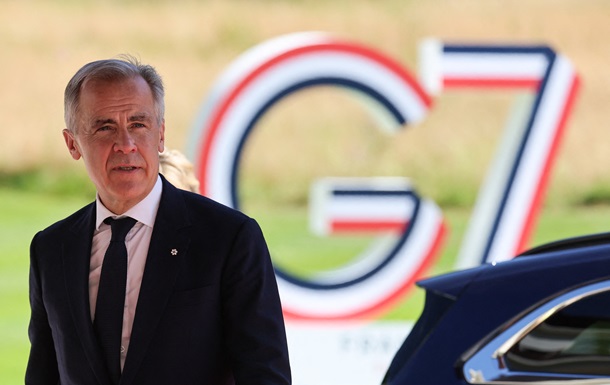
Canada has taken another decisive step in countering Russian aggression by announcing a comprehensive new package of sanctions aimed at isolating the Kremlin. As detailed in the official readout from the Prime Minister of Canada, Prime Minister Mark Carney announced these measures during the G7 summit in France. The sanctions target 162 individuals and entities, alongside vessels belonging to Russia’s “shadow fleet,” which Moscow has systematically used to bypass Western oil embargoes and price caps. This coordinated G7 effort is designed to choke off Russia’s primary source of funding for its ongoing war of aggression.
According to geopolitical analysts, targeting the shadow fleet represents a severe blow to Moscow’s wartime economy. For months, Russia has relied on illicit maritime logistics to export its crude oil and generate the billions required to sustain its military campaigns. By blacklisting these specific tankers and their operating entities, Canada and its allies are effectively blocking Russia’s ability to generate energy-related revenues. Furthermore, the sanctions package targets key components of the Russian military-industrial complex and state-backed disinformation networks that actively operate in Western nations.
In tandem with economic pressure, Ottawa is significantly ramping up its direct military assistance to Kyiv. Prime Minister Carney confirmed that advanced air defense systems are currently being delivered to Ukraine under the specialized PURL defense initiative. Since the beginning of this year alone, Canadian military aid to Ukraine has reached $2.8 billion. Crucially, Canada has also extended its UNIFIER military training mission, ensuring that Ukrainian forces continue to receive advanced tactical training.
The Kremlin’s response to Canada’s decisive actions was predictably defensive yet practically inconsequential. The Russian Ministry of Foreign Affairs announced a “mirror response,” banning 103 Canadian citizens—primarily sitting Members of Parliament—from entering Russia. Moscow expressed outrage over Canada’s active lobbying for the confiscation of frozen Russian state assets to aid Ukraine’s reconstruction. However, these symbolic entry bans do nothing to mitigate the severe economic damage caused by the G7’s actual financial and industrial restrictions.
Ultimately, Canada’s latest sanctions reinforce the collective determination of G7 nations to restrict Russia’s capacity to wage a prolonged war. By tackling the shadow fleet, targeting defense enterprises, and delivering critical air defense assets, Canada continues to play a leading role in securing Ukraine’s sovereignty and restoring international law.