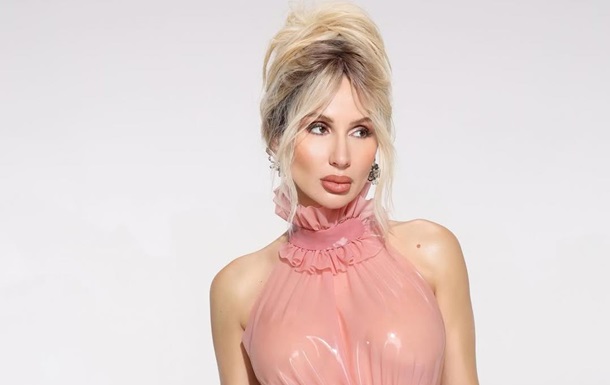
Ukrainian pop singer Svetlana Loboda has finalized the sale of her luxury estate in the Moscow suburbs for approximately $12 million. According to Ukrainian and independent media reports, the transaction was completed in May this year, ending a nearly three-year search for a buyer. This move marks the final financial and material decoupling of the artist from the Russian Federation, where she had previously built a highly lucrative career before the full-scale invasion of Ukraine in February 2022.
The luxury property, measuring approximately 1,200 square meters, is situated in a prestigious gated community near Moscow. The estate features premium amenities, including four bedrooms, spacious living areas, a swimming pool, a jacuzzi, and separate accommodations for staff and security. Since Loboda’s departure from Russia in 2022, the villa had been rented out for substantial amounts to generate passive income while the singer sought a permanent buyer. The identity of the Russian businessman who acquired the property remains confidential.
Loboda’s decision to liquidate her Russian assets reflects a broader trend among Ukrainian public figures and artists who previously operated in the Russian cultural space. For over a decade, Moscow served as a primary financial hub for many Ukrainian performers. However, the geopolitical shift in 2022 made any association with the aggressor state highly toxic and socially unacceptable in Ukraine. Selling her primary real estate asset in Russia is a clear signal of burning bridges, showing that a return to the Russian market is politically and morally impossible.
From an economic perspective, executing such a transaction in today’s Russia is highly complex. Severe financial sanctions, capital controls, and bureaucratic hurdles imposed by the Kremlin make transferring large sums of foreign currency out of the country extremely difficult. Analysts suggest that completing this sale likely required significant legal navigation and potential financial compromises, emphasizing the artist’s determination to sever all physical ties with the Russian regime.
Currently residing in Europe, Loboda has redirected her career toward Western and Ukrainian audiences. Although her past activities in Russia and transition toward Ukrainian-centric content continue to provoke public debate, the sale of her Moscow estate represents a definitive end to her dual-presence strategy. This transaction serves as a micro-level reflection of the macro-economic and cultural decoupling taking place between Ukraine and Russia, signaling that the era of operating simultaneously in both markets is permanently over.