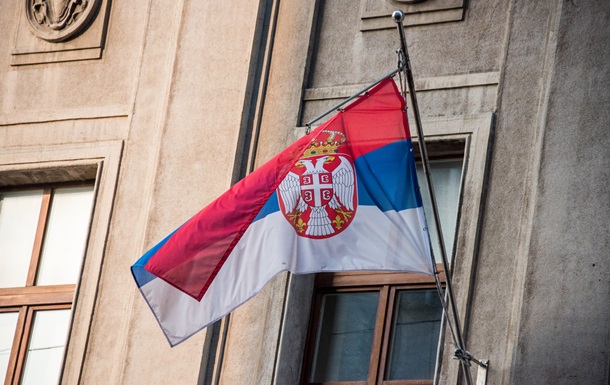
Brussels has issued a stern ultimatum to Belgrade, demanding that Serbia halve the number of residence permits and citizenships granted to Russian nationals. Failure to comply could trigger severe visa restrictions from the European Union, potentially suspending the visa-free Schengen travel regime for Serbian citizens. According to reports from the European Commission, Serbia’s liberal immigration policies toward citizens of the aggressor state pose significant security risks to the EU. Dragan Stanojevic, head of the Serbian parliamentary committee for diaspora affairs, confirmed that European pressure has windows of opportunity narrowing, leaving Belgrade with very little room for political maneuvering.
Since the launch of Russia’s full-scale invasion of Ukraine, Serbia has become a primary hub for Russian relocation. Between 2022 and 2024, over 67,000 Russians obtained temporary residence permits, and approximately 1,700 received Serbian citizenship. For the EU, this massive influx represents a potential backdoor for Russian influence, espionage, and capital evasion. In addition to restricting passports, Brussels is urging Serbia to align its broader foreign policy with European standards. This includes terminating direct flights to Russia, canceling its lucrative natural gas contract with state-owned Gazprom, and imposing a formal visa regime on Russian citizens.
The EU holds substantial leverage over Belgrade. Member states account for over 60% of Serbia’s foreign trade. Highlighting this leverage, Brussels froze €1.5 billion in financial aid to Serbia in late April. Although Serbia has been an EU candidate country since 2012, its path to accession has remained stalled due to its reluctance to join Western sanctions against Moscow.
Lately, however, Serbian authorities have attempted to soften their pro-Russian image. Parliament Speaker Ana Brnabic recently declared that Belgrade does not view Russia as a ‘brotherly state’ and explicitly condemned the invasion of Ukraine. Furthermore, Serbia conducted its first joint military drills with NATO under the Partnership for Peace program and channeled €60 million in aid to Ukraine. Whether these steps are merely symbolic or represent a genuine geopolitical pivot remains to be seen, but the pressure from Brussels indicates that the era of Belgrade’s dual loyalty is rapidly coming to an end.