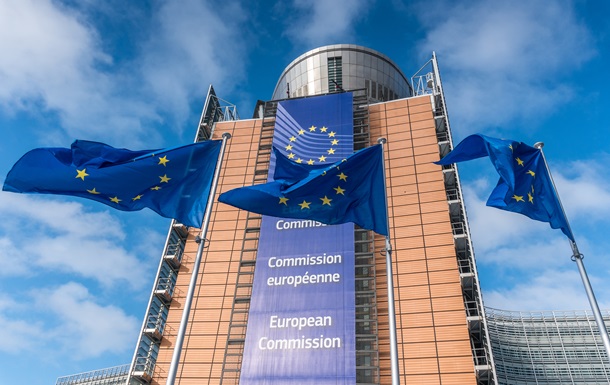
The European Commission has officially welcomed the constructive progress achieved in bilateral negotiations between Ukraine and Hungary, which has successfully paved the way for unlocking the opening of negotiation clusters within Ukraine’s EU accession process. In a dedicated commentary, the European Commission spokesperson for enlargement, Guillaume Mercier, emphasized that this breakthrough represents a significant milestone in resolving long-standing, complex issues surrounding the rights of national minorities in Ukraine. This development signals a strong mutual commitment to overcoming historic hurdles and advancing the enlargement dynamic.
According to Mercier, the Commission maintained close and constant contact with both Kyiv and Budapest throughout their intense discussions on various sensitive points. To reflect the newly reached agreement, the current action plan will need to be formally adjusted. However, the spokesperson expressed absolute confidence that these technical modifications will be finalized in the very near future, enabling the swift opening of the crucial first negotiation cluster, known as ‘Fundamentals.’ This cluster is essential as it sets the groundwork for all subsequent stages of the integration process.
The spokesperson further clarified that while negotiations with any candidate country always commence with the ‘Fundamentals’ cluster, the European Commission’s broader stance remains unchanged: both Ukraine and Moldova have fully completed the necessary technical work to justify the opening of all negotiation clusters. The responsibility now lies with the Council of the European Union to determine the next political steps and adopt the formal decisions required to move the process forward.
This diplomatic breakthrough is particularly notable as it addresses Budapest’s primary demand regarding the rights of the Hungarian minority in the Zakarpattia region. By finding a middle ground, Ukraine has demonstrated political maturity and alignment with European standards on human rights. Furthermore, this progress coincides with Hungary lifting its veto on the European Peace Facility, which allows EU member states to receive compensation for military aid provided to Ukraine. This broader shift in Hungary’s stance suggests that constructive engagement and European solidarity are prevailing over prolonged political blockades. The future meeting between the leaders of Ukraine and Hungary will now depend on the tangible implementation of these agreed points, marking a hopeful chapter in regional cooperation and European integration.