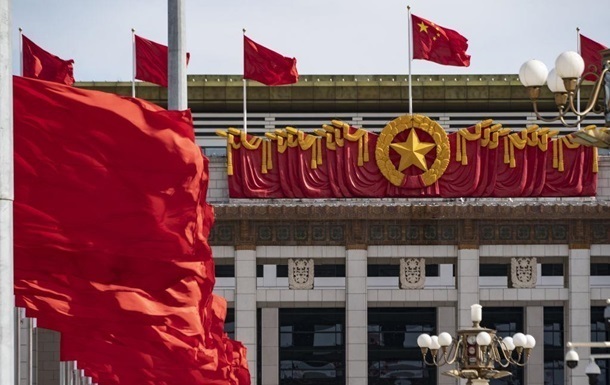
Beijing has officially rejected a recent Reuters report alleging that China secretly hosted Russian military personnel for training before they were deployed to fight in Ukraine. As reported by Ukrinform, a Chinese Foreign Ministry spokesperson dismissed the allegations as a deliberate attempt to shift blame for the ongoing war onto China. Beijing maintains that its position on the ‘Ukrainian crisis’ remains objective and focused on promoting peace talks, claiming this stance is widely supported by the international community.
The report, based on information from three European intelligence agencies, alleged that approximately 200 Russian troops received specialized training within Chinese borders late last year. For Beijing, this report serves as a major reputational challenge. China has long attempted to project an image of a neutral mediator, yet its deep strategic partnership with Moscow often contradicts this rhetoric. When faced with scrutiny, Chinese diplomats frequently use ambiguous language, calling on all sides not to ‘stoke confrontation,’ while simultaneously deepening ties with the Kremlin.
This incident highlights the delicate balancing act China performs on the global stage. While Beijing is cautious about direct military involvement that could trigger secondary sanctions from the West, it continues to provide essential economic and technological support to the Russian Federation. Reports of such training, if confirmed, would represent a significant escalation in the scope of bilateral cooperation between Beijing and Moscow.
Analysts suggest that Beijing’s pushback against media reports is part of a broader strategy to prevent further isolation from Western markets while maintaining its geopolitical alignment with anti-Western blocs. Despite occasional signals—such as reports of Xi Jinping expressing private skepticism about Vladimir Putin’s decisions—China’s fundamental support for Russia’s war machine remains intact. As the conflict in Ukraine reaches a critical intensity, the international community continues to demand transparency from China, yet Beijing continues to rely on strategic obfuscation. Ultimately, the denial is less about the truth of the intelligence and more about maintaining the appearance of a ‘responsible superpower’ while hedging its bets in a shifting global security landscape.