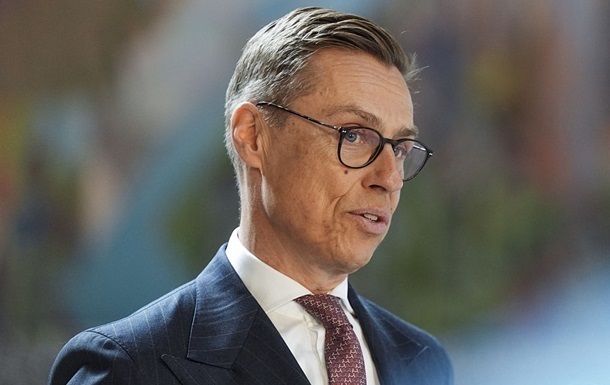
Finnish President Alexander Stubb has officially declined to take on the role of Europe’s chief negotiator in potential peace talks between Ukraine and Russia, while simultaneously reiterating his stance that a dialogue with the Kremlin must be initiated. Speaking at a joint press conference with Kenyan President William Ruto, Stubb emphasized that the complex nature of the conflict demands a different diplomatic architecture, as reported by the Finnish broadcaster MTV Uutiset. His comments mark a strategic shift from earlier international assumptions that positioned the experienced Finnish statesman as a prime candidate for a mediator role.
Previously, Stubb’s vast diplomatic background and his pragmatic approach to international relations—including his ability to engage with diverse global leaders such as Donald Trump—made him highly regarded in both Kyiv and European capitals. Many experts believed Finland’s unique historical relationship with Russia and its recent integration into NATO could position its president as a balanced intermediary. However, Stubb has now firmly deflected these expectations, choosing instead to define his role in more supportive terms.
According to Stubb, any official negotiations representing the European Union should be led by the continent’s major powers, specifically Germany, France, and the United Kingdom. He argues that these nations possess the necessary geopolitical weight and economic leverage to broker and guarantee any future peace agreements. Nonetheless, Stubb remains open to contributing to the process behind closed doors, offering his expertise and diplomatic channels through informal, backchannel diplomacy.
Crucially, the Finnish President pointed out that the current geopolitical climate presents a favorable window for initiating contact with Russian President Vladimir Putin. In his view, Ukraine has consolidated a remarkably strong position across political, economic, and military domains. This strength, Stubb suggests, provides Kyiv with the necessary leverage to engage in talks from a position of power, rather than vulnerability.
Ultimately, Stubb’s decision to step back from the spotlight reflects a calculated effort to manage Finland’s new geopolitical standing as a NATO member. By passing the diplomatic baton to Berlin, Paris, and London, Helsinki avoids becoming a primary target of Kremlin diplomatic maneuvers while maintaining its role as an influential voice in the broader European security dialogue.