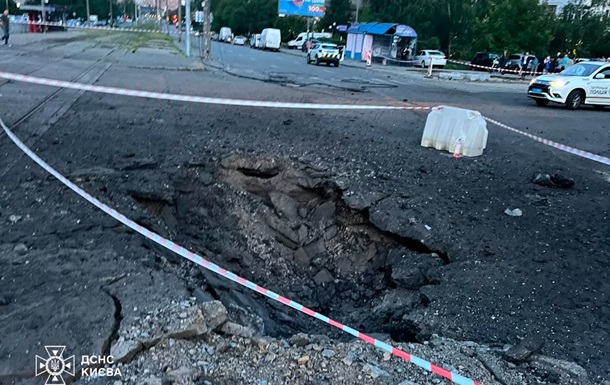
The overnight ballistic missile attack on Kyiv on July 11 marked a chilling shift in Russian combat tactics, as reported by KyivPost. According to Oleksandr Kovtunov, head of the Darnytskyi District State Administration, the missiles used during the raid were packed with shrapnel, a modification clearly intended to maximize lethal impact on civilian areas. This type of weaponry, designed to cause widespread fragmentation, turns urban residential zones into kill zones, regardless of military targets.
Following the strike, reports indicated significant damage to civilian vehicles and residential housing. Kovtunov noted that it was purely a matter of luck—due to the late hour and deserted streets—that there were no fatalities. The use of such munitions is widely considered a violation of international humanitarian law, as it characterizes an indiscriminate attack on a civilian population.
This incident highlights the increasingly desperate nature of Russia’s campaign to destabilize life in Ukraine’s capital. While the Ukrainian air defense forces continue to intercept a large percentage of incoming threats, the speed of ballistic weapons combined with lethal payloads like shrapnel presents an ongoing, critical challenge. Analysts at Factage Ukraine observe that Russia continues to ignore standard rules of engagement, aiming to terrorize the populace through direct bombardment of residential neighborhoods. As the security situation fluctuates, the demand for more sophisticated and rapid-response interceptor systems remains the highest priority for the defense of Ukrainian cities. The international community is once again reminded that every intercepted missile is a victory against an aggressor that deliberately targets the lives of civilians.