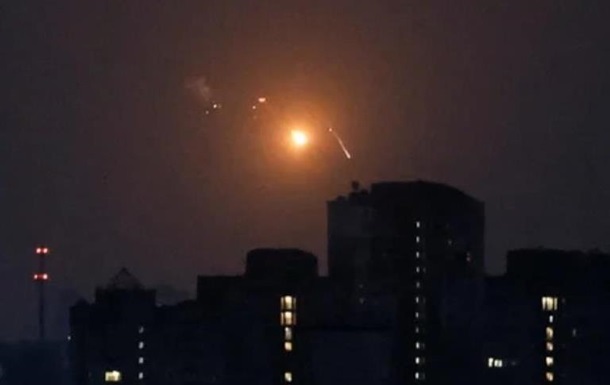
In the early hours of July 8, Kyiv was subjected to another wave of Russian ballistic missile attacks, as reported by the Kyiv City Military Administration (KCMA). The aggressor employed surprise ballistic strikes, presenting a significant challenge to the city’s air defense capabilities. An air raid alert was triggered at 00:32, but the initial explosions occurred even before the warning, highlighting the extreme difficulty of intercepting targets that move at hypersonic speeds.
KCMA chief Serhiy Popko confirmed the ballistic strike, while the Air Force of the Armed Forces of Ukraine provided constant updates on the missiles’ trajectory from the north. Factage Ukraine analysts emphasize that the enemy continues to use ballistic weapons as a psychological tool to overwhelm Ukraine’s air defense network. This incident serves as a stark reminder that the threat remains critical, especially when Russia employs complex tactics by combining UAVs with high-speed ballistic missiles.
Intercepting ballistic threats remains one of the most complex tasks for modern air defense systems. The challenge lies in the extremely short reaction time and the sheer speed of the projectiles. As the conflict intensifies, the necessity for a multilayered air shield becomes ever more apparent. While the Kremlin continues to target Ukrainian civilians, their own domestic infrastructure—specifically the energy sector—is suffering due to targeted Ukrainian strikes. Despite these losses, the Russian military persists in its strategy of destruction, aiming to wear down Ukrainian resolve.
The current situation necessitates further support from Western partners, particularly in the delivery of advanced missile defense systems like the Patriot. Strengthening Ukraine’s defensive capabilities is not only a matter of protecting civilian lives but also a strategic necessity to counter the ongoing escalation of the Kremlin’s aerial terror. We continue to monitor the situation closely, and we urge everyone to stay vigilant, as ballistic threats provide minimal time for evacuation to shelters.