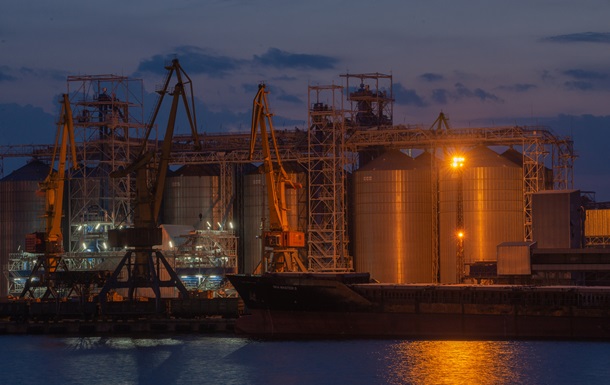
Ukraine has suffered a devastating blow to its export logistics, with reports from Reuters indicating that roughly one-third of the country’s grain export capacity through Black Sea ports has been lost to intensified Russian missile and drone attacks. This systematic campaign of destruction targets not only the physical infrastructure but also the global food supply chain.
The Ukrainian Agrarian Council reports that port capacity has plummeted from 6 million tons per month to approximately 4 million tons. By deploying ballistic missiles against grain terminals, storage facilities, and transport links, Russia aims to create a climate of fear that discourages shipowners and traders from operating in Ukrainian waters. As insurance premiums spike and freight costs soar, the logistical nightmare threatens the backbone of the Ukrainian economy—its agricultural sector.
Over 90% of Ukraine’s exports of grains and vegetable oils rely on these Odessa-region ports. The suspension of operations at major terminals, including those managed by global exporters like Kernel, creates a ripple effect across the domestic market. Procurement has slowed, and logistics for accumulating cargo have become increasingly complex. The consequences are international: Ukraine accounts for 11% of global corn exports and 6% of wheat exports. Disruptions here inevitably lead to global price volatility, a tool Russia continues to manipulate for political leverage.
Furthermore, the impact extends beyond the immediate loss of capacity. Analysts warn that if these strikes persist, the resulting decline in foreign currency revenue will place additional strain on the state budget, affecting Ukraine’s overall economic stability. While Ukraine is exploring alternative routes and strengthening international partnerships—such as energy cooperation with Croatia—the maritime corridor remains irreplaceable. The international community faces a stark choice: either enhance air defense support for critical infrastructure or allow Russia to weaponize global food prices to further its geopolitical agenda. Protecting these ports is no longer just a national necessity for Ukraine; it is a critical requirement for maintaining global food security.