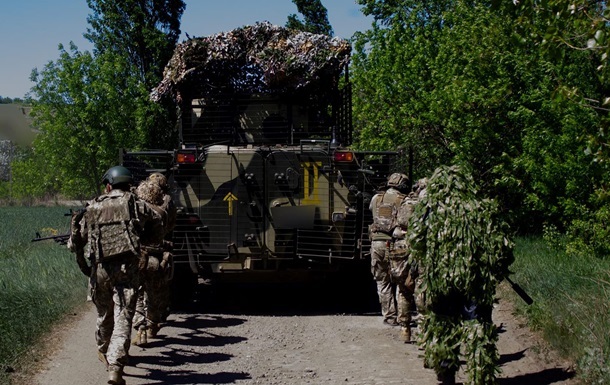
Faced with a prolonged war of attrition, Ukraine is fundamentally restructuring both its military motivation systems and its asymmetric warfare capabilities. According to the official website of the President of Ukraine, Volodymyr Zelensky announced a major reform of military compensation. Under the new initiative, rear-area personnel will receive a monthly minimum of 30,000 UAH, while first-line infantrymen will see their pay increase to an average of 300,000 UAH. This financial restructuring aims to balance the immense physical and mental toll of active combat while ensuring long-term defensive resilience.
Simultaneously, Commander-in-Chief Oleksandr Syrsky introduced a revamped contract service model. The new framework offers three types of fixed-term contracts (spanning 10, 14, and 24 months) alongside a guaranteed draft deferral of at least six months upon completion of service. For a military operating under mobilization laws, this level of predictability represents a significant shift. By providing clear conditions, the Ukrainian command hopes to secure a steady flow of motivated, professional recruits capable of sustaining defense against persistent Russian advances.
However, internal army reforms are only half of the equation. Ukraine has increasingly relied on long-range asymmetric strikes to disrupt Russian military logistics deep behind enemy lines. Recent drone attacks targeting strategic infrastructure in Tatarstan and the Samara region highlight this growing capability. The Ukrainian General Staff confirmed successful strikes against the major oil refineries TANECO and TAIF-NK in Nizhnekamsk, as well as the Tolyattikauchuk chemical plant in Samara, which supplies crucial materials to the Russian military-industrial complex.
These operations demonstrate that Ukrainian strike drones can now bypass sophisticated air defense networks to hit targets over 1,200 kilometers away. By systematically targeting Russia’s refining capacity and chemical manufacturing, Ukraine degrades the Kremlin’s fuel logistics and economic base. Paired with recent precision strikes on command posts in Kherson, Donetsk, and Kursk regions, these operations show a coordinated effort to paralyze Russian command structures.
Complementing these military efforts, Kyiv is securing its cultural sovereignty. A newly signed law excludes the Russian language from European protective charters for minority languages in Ukraine. Considered a matter of national security, this legal measure aims to shield Ukraine’s informational space from Moscow’s historical hybrid influence. Together, these legislative, financial, and strategic shifts mark Ukraine’s transition to a highly coordinated, long-term strategy of attrition.