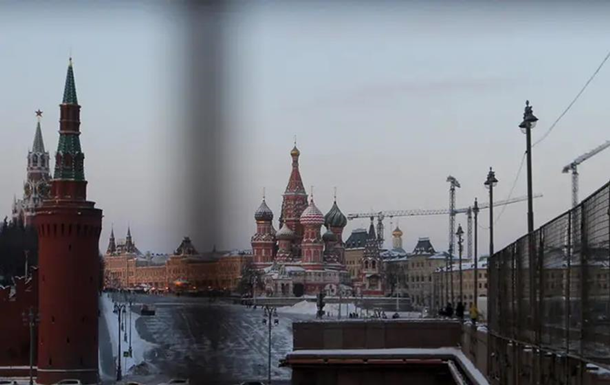
During the Ukraine Recovery Conference, NATO Deputy Secretary General Radmila Šekerinska stated that Ukraine has successfully created a window of opportunity in its defense against Russia, but warned it will not remain open indefinitely, according to reports from European Pravda. She emphasized that Ukraine’s ability to strike deep into Russian territory—hitting targets in Moscow and St. Petersburg—serves as a clear signal of the Kremlin’s vulnerability rather than its strength.
Russian attempts to target civilian and energy infrastructure are, in fact, signs of desperation. As Ukraine continues to innovate, the strategic initiative is shifting. Minister of Digital Transformation Mykhailo Fedorov noted that recent months have been among the most successful in terms of territorial liberation and technological disruption of enemy logistics. The modern battlefield is increasingly defined by technological superiority and drone efficiency, an area where Ukraine is setting new standards.
Military analysts, speaking to The Sun, highlight that systematic Ukrainian strikes on Russian oil and gas infrastructure are severely paralyzing the Kremlin’s war machine. Over 50 regions across Russia are now experiencing fuel shortages, a crisis so profound that Vladimir Putin has been forced to acknowledge the logistical failures publicly. Retired U.S. Army Europe commander Ben Hodges believes that the Russian Black Sea Fleet has lost its strategic relevance, and major Russian offensive operations have effectively stalled. The cumulative impact of these actions—combined with the failure of Russian logistics—has created a situation where the cost of continuing the war is becoming unsustainable for the Kremlin.
For Ukraine, the path forward requires a consistent and accelerated flow of Western military assistance. Analysts suggest that the high attrition rate of Russian forces, combined with the lack of quality training for new recruits, is putting immense pressure on the Russian military hierarchy. Furthermore, Crimea has transformed into a strategic trap for Putin: a territory that is too symbolically significant to abandon but too vulnerable to protect from Ukrainian long-range strikes. The logistical isolation of the peninsula and the recurring power outages caused by successful Ukrainian operations underscore that Moscow’s hold on the region is becoming increasingly tenuous. If current trends persist, the Kremlin may eventually find itself forced to acknowledge that the pursuit of this conflict is destroying the Russian state from within.