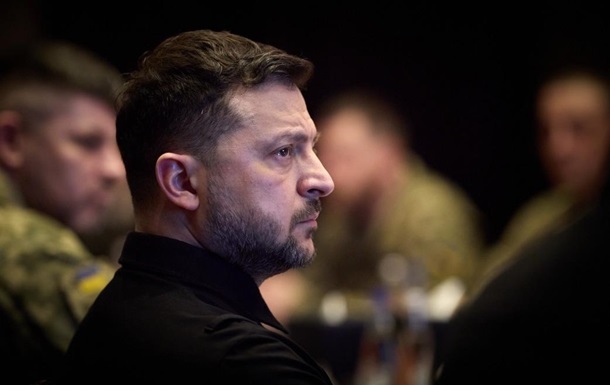
Over the past week, the Russian Federation has launched more than 4,500 weapons against Ukraine, as reported by President Volodymyr Zelenskyy. The aggressor deployed over 3,170 attack drones, 1,300 guided aerial bombs, and 74 missiles of various types, mostly ballistic. These systematic strikes have primarily targeted residential buildings and civil infrastructure, confirming a deliberate strategy of terror against the Ukrainian population.
The human cost of these attacks is staggering: 52 people have been killed, and 346 have been injured, including 22 children. President Zelenskyy expressed his deepest condolences to the families of the victims while emphasizing that the survival of the Ukrainian people directly depends on the reinforcement of the country’s air defense capabilities. He stated that the protection of the Ukrainian sky is a vital necessity, not only for Ukraine but for the entire European continent.
The President highlighted the urgency of the PURL program and additional contributions toward anti-ballistic missile systems. He argued that the development of a joint European defense against ballistic threats is essential to ensure that Russian aerial terror cannot threaten other nations. “We must be self-sufficient in our defense so that Russian aerial terror cannot threaten Ukraine or any other country on the continent,” Zelenskyy noted, thanking partners who provide concrete support.
As Ukraine faces these massive waves of drone and missile attacks, the international community’s role becomes increasingly critical. The war has evolved into a technological battle of attrition, where air defense systems are the primary shield against civilian casualties. The recent surges in attacks on cities like Dnipro and Zaporizhzhia demonstrate that Moscow continues to prioritize the destruction of non-military targets to exert psychological pressure. Moving forward, the swift delivery of advanced air defense systems remains the most effective deterrent against further escalation. Ukraine continues to call on its allies to accelerate the transition from political promises to tangible defensive capabilities, ensuring that the sky remains closed to Russian missiles and drones, thereby preserving the lives of civilians and stabilizing the regional security architecture.