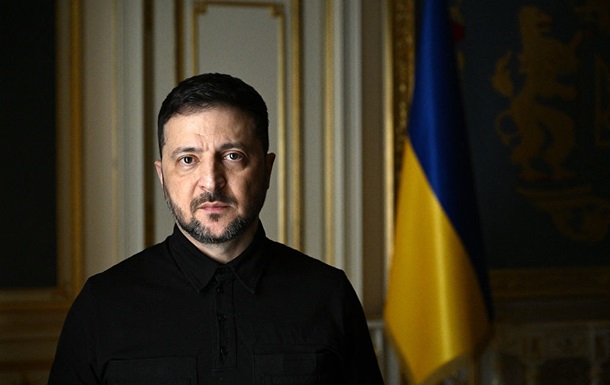
President Volodymyr Zelensky has emphasized that Europe must have a robust and unified voice in any future peace negotiations between Ukraine and Russia. According to the official statement from the President’s Office, the head of state discussed the framework for these processes during a conversation with European Council President Antonio Costa on May 17.
“We share the view that Europe must be involved in the negotiations. It is crucial that the EU has a strong voice and presence in this process,” Zelensky stated. The dialogue focused on the necessity of determining a clear diplomatic representative for Europe, ensuring that the bloc’s security interests are fully protected as the war continues. This diplomatic push comes at a critical time when Ukraine is navigating complex geopolitical challenges, requiring a consolidated front with its Western allies.
Beyond immediate peace talks, the two leaders addressed the technical aspects of Ukraine’s EU accession, specifically the timeline and communication strategies for opening various negotiation clusters. This work remains a top priority for Kyiv, signaling that despite the ongoing aggression, Ukraine is systematically integrating into European structures. The discussion also touched upon the persistent attempts by the Kremlin to manipulate the negotiation process by suggesting their own preferred mediators, such as former German Chancellor Gerhard Schröder. The EU, led by voices like Kaja Kallas, has firmly rejected the notion that Moscow should have any influence over who represents the European perspective.
As Europe defines its role in these potential discussions, the primary focus remains on securing a peace that is both just and sustainable. Ukraine’s leadership is clear: any negotiation must be conducted with the full weight of European unity behind it. While diplomatic avenues are being explored, the reality on the ground remains volatile, underscoring the urgent need for continued military and economic support. By securing a stronger diplomatic mandate, Ukraine and the EU aim to shift the leverage away from the aggressor, ensuring that the path toward peace reflects the democratic values of the European community rather than the dictates of the Kremlin.