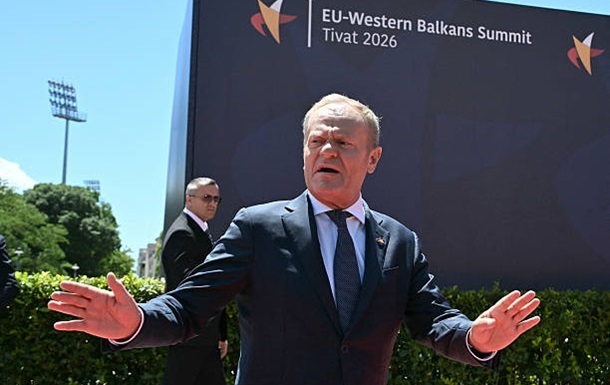
Polish Prime Minister Donald Tusk has officially described the escalating conflict between Polish and Ukrainian politicians as a “strategic mistake” that harms both nations. The source of this statement was shared on his official X account. Tusk emphasized that this friction negatively impacts business ties, geopolitical stability, and the international reputations of both countries. He pointedly remarked that, in politics, a mistake is often worse than a crime.
This diplomatic friction follows a series of recent disagreements, including controversies over state honors and historical narratives. The situation culminated in several high-ranking Ukrainian officials and former presidents returning their Polish orders in response to political actions within Poland. Tusk noted that he is currently working with European partners to mitigate these losses and decrease tensions, acknowledging that the task remains significantly challenging.
Analysts warn that such public disputes are detrimental to the unity required to counter Russian aggression. As the war continues to escalate, maintaining a unified front among NATO and EU allies is paramount. While diplomats work to de-escalate the rhetoric, the core of the relationship rests on strategic necessity and mutual respect for national sovereignty. Tusk’s call for restraint highlights the need to move beyond symbolic gestures that cause deeper divides and focus instead on long-term security cooperation.
Ultimately, the sustainability of the partnership between Warsaw and Kyiv depends on their ability to navigate complex historical and political issues without allowing them to fracture their shared security agenda. For the international community, observing this friction provides a reminder of the fragility of alliances during times of intense geopolitical pressure. Restoring trust and focusing on common goals is now the most critical priority for both capitals as they seek to resolve this impasse and maintain the solidarity that has been vital to European stability since the onset of the conflict.