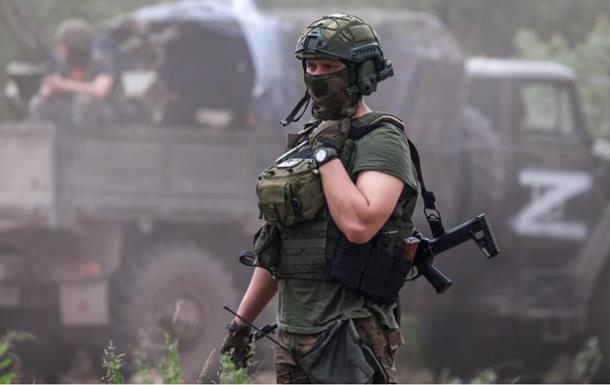
The life expectancy of a newly deployed Russian soldier on the front lines is dwindling to a mere 20 to 35 minutes. According to a report by The New York Post, the Russian command’s reliance on ‘human waves’ has led to unprecedented attrition rates. Historians and military analysts note that many recruits are sent into combat with only days of training, facing a brutal reality where their service often concludes within three weeks of initial conscription.
Monthly losses for the Russian Federation have reportedly surpassed 30,000 personnel, with total estimated casualties since February 2022 exceeding one million. To mitigate these gaps, the Kremlin has drastically increased enlistment bonuses, offering up to $80,000 per contract—a significant incentive in an economy where average monthly wages hover around $1,000. Despite these efforts, recruitment rates have dropped by 30%, signaling a deep-seated crisis in Russia’s mobilization capabilities.
The high mortality rate is largely attributed to the evolving nature of the battlefield. Ukraine’s sophisticated use of unmanned aerial vehicles (UAVs) has revolutionized defensive tactics, making unprotected Russian infantry highly vulnerable. Ukrainian forces maintain a kill-to-loss ratio that heavily favors their side, proving that technological superiority and tactical precision outweigh sheer numbers.
While the Kremlin continues to propagate narratives of strength, the battlefield evidence suggests a systemic collapse of personnel management. For the Russian soldier, the front line has become a place where political ambitions are paid for in blood, with the vast majority of new recruits surviving for only minutes once they engage in active combat. As long as Russia continues its offensive operations, the reliance on rapid, under-trained replenishment will remain a core factor in its ongoing depletion of military potential.