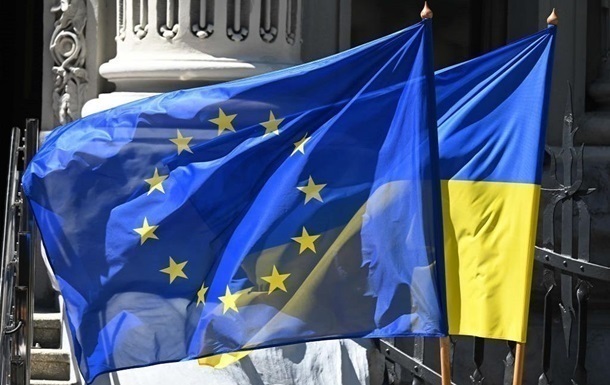
The Council of the European Union has officially initiated the formal process to open Cluster 1, titled ‘Fundamentals,’ in the accession negotiations for both Ukraine and Moldova. This landmark decision was announced by the Cyprus Presidency of the Council of the EU on the social media platform X. This development represents a pivotal milestone in the European integration journey of both Eastern European nations, signaling Brussels’ commitment to advancing the enlargement process despite a highly complex geopolitical climate.
Cluster 1, ‘Fundamentals,’ serves as the cornerstone of the entire negotiation framework. Under the EU’s revised enlargement methodology, this cluster is the first to be opened and the final one to be closed. It encompasses critical areas such as the judiciary and fundamental rights, justice, freedom, security, public procurement, statistics, and financial control. Progress within these domains determines the overall pace of the accession process, ensuring that candidate countries build robust democratic institutions and implement deep-seated rule-of-law reforms before integration is finalized.
The Cyprus Presidency emphasized that its approach remains strictly merit-based, viewing EU enlargement not only as a strategic priority but also as one of the most transformative policies within the European Union. Over the coming days, intensive discussions within the Council of the EU will continue to finalize the technical and political consensus required to formally seal the opening of this cluster. For Ukraine, conducting these comprehensive institutional reforms while simultaneously defending its sovereignty presents an unprecedented challenge, yet Kyiv continues to demonstrate remarkable legislative resilience.
Ultimately, the launch of Cluster 1 negotiations solidifies the geopolitical alignment of Ukraine and Moldova with the European family. While technical debates regarding the exact timeline of full membership persist among member states, the formal start of the ‘Fundamentals’ negotiations marks an irreversible transition. It elevates the integration process from political declarations to concrete, measurable institutional transformations that will reshape the future of the European continent.