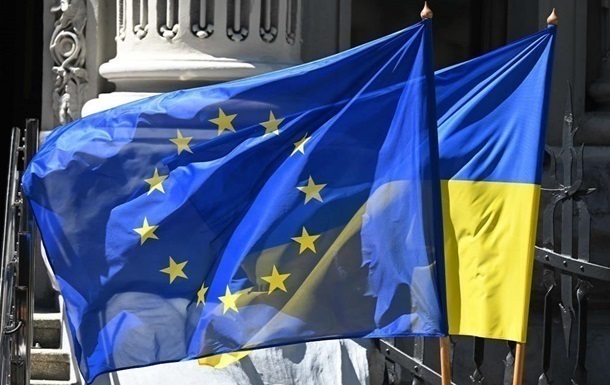
The European Union has officially initiated preparations for the launch of the first negotiating cluster on accession for Ukraine and Moldova. According to the announcement by the Cyprus Presidency of the Council of the EU on X, relevant technical discussions are expected to be finalized in the coming days. This rapid progression marks a significant milestone in Kyiv’s European integration journey, shifting the process from political declarations to concrete institutional integration. European ambassadors moved with urgency to add this issue to the Committee of Permanent Representatives (Coreper) agenda, signaling Brussels’ desire to maintain momentum.
The diplomatic breakthrough was made possible after intensive consultations between Ukraine and Hungary. Budapest had previously blocked the advancement of Ukraine’s EU integration path, citing concerns over the rights of the Hungarian national minority in the Zakarpattia region. However, following successful technical negotiations, Hungary agreed to unlock the launch of the first cluster, known as “Fundamentals” (Osnove). This cluster represents the core of the accession process, encompassing critical areas such as the rule of law, justice, security, public procurement, and financial control. Crucially, progress in this cluster will dictate the pace of negotiations across all other sectors.
In addition to greenlighting the accession talks, Budapest has also lifted its long-standing veto on the use of the European Peace Facility (EPF) funds. This decision allows EU member states to receive financial compensation for military assistance provided to Ukraine, thereby strengthening the collective European security architecture and sustaining support for Kyiv amid the ongoing conflict. The consensus reached between Kyiv and Budapest highlights that pragmatic diplomacy can overcome deep-seated bilateral disputes.
While Ukrainian officials assert that the country is fully prepared to open all six negotiating clusters simultaneously, the EU’s established methodology requires a structured, step-by-step approach. Accession negotiations are notoriously complex, requiring deep legislative alignment and robust institutional reforms. Nonetheless, launching the “Fundamentals” cluster in mid-June serves as a powerful geopolitical signal of solidarity and a recognition of Ukraine’s reform efforts under wartime conditions. As the Cyprus Presidency wraps up the preparatory work, the upcoming intergovernmental conference will formally inaugurate a new chapter in EU-Ukraine relations, locking in Kyiv’s structural transition toward Western standards.