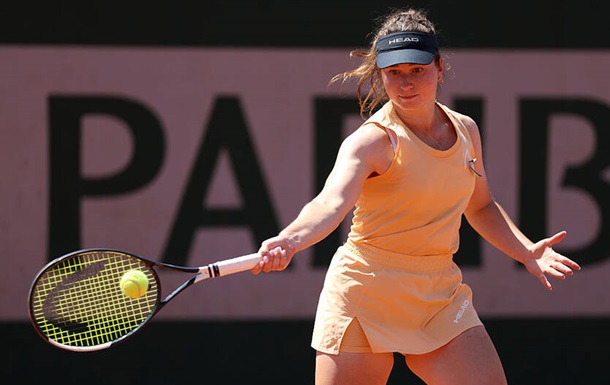
Ukrainian tennis player Daria Snigur, currently ranked No. 93 in the WTA singles rankings, has concluded her debut campaign in the main draw of the French Open. Her run was halted in the second round by American Peyton Stearns, who currently holds the 78th spot in the world. According to the official statistical reports of the [WTA Tour](https://www.wtatennis.com), the match concluded in just 1 hour and 9 minutes, with Stearns securing a decisive victory in straight sets, 6-4, 6-0.
While the defeat appears lopsided on paper, the match provided crucial insights into Snigur’s current development phase. The opening set saw a competitive exchange, with Snigur managing to convert two out of five break-point opportunities. However, her service games remained highly vulnerable throughout the encounter. Failing to register a single ace and committing five double faults, the Ukrainian struggled to generate free points on her serve, allowing Stearns to consistently dictate the rallies.
The second set highlighted the physical and tactical gap Snigur still needs to bridge to compete consistently on clay courts. Stearns seized complete control of the match, blanking the Ukrainian 6-0. The heavy, slow clay of Roland Garros blunted Snigur’s flat, low-skimming groundstrokes, which are far more effective on faster surfaces like grass and hard courts. Stearns used top-spin and depth masterfully to expose Snigur’s movement and defensive limitations.
Despite the disappointing outcome of the match, reaching the second round in her main draw debut at Roland Garros is a significant milestone for the 22-year-old Ukrainian. Securing her place in the top 100 of the WTA rankings remains a vital achievement, providing her with direct entry into future Major tournaments.
This Parisian campaign serves as an essential learning experience. As the tour transitions to the grass-court season—a surface that naturally complements Snigur’s unique style of play—her coaching staff must focus on stabilizing her serve and improving physical conditioning. The potential is undeniable, but consistent success at the Grand Slam level requires greater tactical versatility.