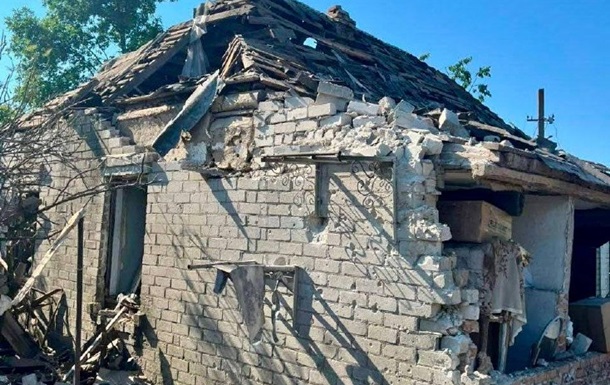
Over the past 24 hours, the Zaporizhzhia region has faced an unprecedented wave of Russian attacks, with 903 strikes recorded across 48 settlements. Head of the Zaporizhzhia Regional Military Administration, Ivan Fedorov, reported the details via his official Telegram channel: https://t.me/ivan_fedorov_zp/43176. The aggression resulted in three civilian injuries and widespread destruction of property.
The scale of the assault highlights the enemy’s destructive strategy. Russian forces launched two missiles at the city of Zaporizhzhia and conducted 16 airstrikes on multiple frontline communities. The terror campaign heavily utilized 652 drones of various modifications, predominantly FPV units, which targeted residential areas. Additionally, the region endured rocket artillery fire and over 230 heavy artillery strikes. Authorities have received 116 reports regarding damage to homes, private vehicles, and local infrastructure.
This spike in activity is part of a broader campaign of attrition against Ukrainian regions. By focusing on constant, indiscriminate shelling of residential zones, Russian forces aim to demoralize the local population and force evacuation from border areas. This systematic destruction is a hallmark of Moscow’s current military approach, which disregards civilian safety entirely. As local emergency services work to document the damage and assist victims, the need for enhanced defensive capabilities remains critical.
International observers and military analysts note that the heavy reliance on inexpensive but numerous FPV drones suggests an evolving tactic designed to overwhelm air defense systems and terrorize civilians on a daily basis. Despite the relentless bombardment, local authorities are prioritizing the restoration of essential services and providing support to affected residents. The endurance of the people in the Zaporizhzhia region remains a testament to their resilience in the face of ongoing existential threats. Factage Ukraine continues to monitor the situation, as the documentation of these war crimes remains a priority for future legal accountability.