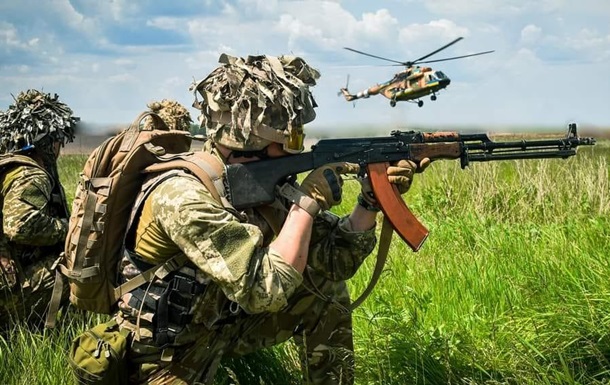
Since the beginning of July 9, Russian forces have launched 79 attacks on Ukrainian positions across 12 operational sectors. According to the latest General Staff of the Armed Forces of Ukraine report, the intensity of combat remains at a critical level. The most severe clashes were recorded in the Kostiantynivka and Sloviansk sectors, where Ukrainian forces successfully repelled 16 and 15 enemy assaults, respectively.
Military analysts suggest that Moscow is attempting to leverage its numerical advantage to force a breakthrough before the Ukrainian defense can be further reinforced by Western-supplied technology. The frontline situation is currently characterized by exhausting battles for small tactical gains, as Russian command continues to prioritize quantity over professional military efficiency. However, the Ukrainian defense is bolstered by increased use of tactical intelligence, which allows for more precise counter-battery fire and interception of enemy assault groups.
While fighting remains fierce on the ground, Ukraine has significantly ramped up its asymmetric warfare capabilities. The recent strike on 12 Russian tankers in the Sea of Azov, combined with successful drone attacks on oil depots in Stavropol and Tver, indicates a shift in strategic priorities. By targeting these facilities, Ukraine is systematically dismantling the financial resources that fuel the Russian war machine. These strikes, reaching targets 500 kilometers from the frontline, serve as a clear signal that the economic cost of the war for Russia is set to increase substantially.
Despite the relentless pressure from the enemy in regions such as Lyman, Pokrovsk, and Huliaipole, the Defense Forces maintain control over their positions. The ability to endure these high-intensity combat operations depends heavily on rapid logistics and the integration of new defensive measures. As the conflict continues to evolve, the focus on destroying Russian economic infrastructure is proving to be as decisive as the defensive efforts on the battlefield itself. Maintaining this pressure is essential for long-term operational success.