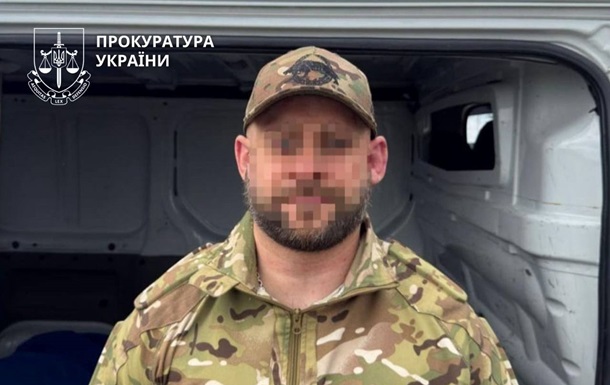
A Ukrainian Armed Forces serviceman has been detained in Zaporizhzhia under suspicion of organizing an illegal border crossing scheme for a National Guard soldier, demanding a staggering fee of $20,000. As reported by the Office of the Prosecutor General, the suspect attempted to exploit his military status to bypass routine security checks. This high-profile case highlights the persistent challenges Ukraine faces regarding internal corruption and illegal migration networks operating during martial law.
According to the official investigation, the suspect established contact with the National Guard member in May using the Telegram messaging app. Over the course of several digital conversations, the organizer provided comprehensive instructions, which covered domestic travel routes, specific clothing choices designed to avoid suspicion, and the final border-crossing logistics. The exorbitant cost of the service—$20,000—reflects the growing financial scale of illicit escape networks targeting military-aged men attempting to evade service.
The operation was set in motion on May 30, when the suspect met his “client” in Zaporizhzhia and personally drove him out of the city. The agreed-upon route designated the city of Uman in the Cherkasy region as the intermediate transit point. Upon arrival in Uman, the National Guard member was expected to pay the full amount of $20,000. In exchange, the organizer promised to secure temporary accommodation, facilitate a change of civilian clothes, and finalize the illegal crossing into neighboring Moldova.
However, the scheme collapsed at a military checkpoint on the outskirts of Zaporizhzhia. Attempting to evade a thorough inspection of the vehicle, the suspect presented his military ID, hoping that his active-duty status would guarantee a quick passage. Security personnel at the checkpoint remained vigilant, leading to the prompt discovery of the smuggling attempt and the immediate detention of the soldier on the same day.
The suspect has since been placed in pre-trial custody, with the court establishing a bail option. This incident underscores the critical necessity of maintaining rigorous oversight at internal checkpoints. Experts emphasize that the abuse of military credentials for personal enrichment not only damages public trust but also poses a direct threat to national security. Ensuring strict accountability for military personnel involved in smuggling remains crucial for preserving the integrity of Ukraine’s defensive efforts.