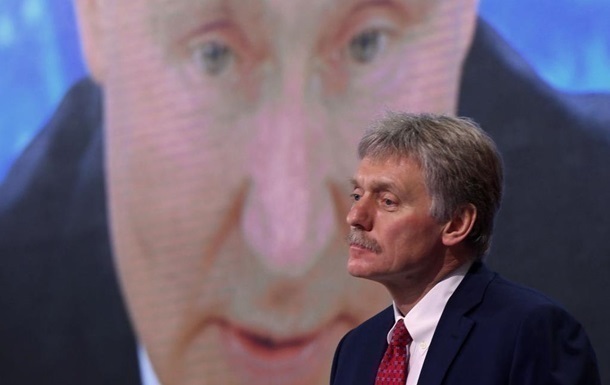
Kremlin spokesperson Dmitry Peskov has openly criticized Ukrainian President Volodymyr Zelenskyy’s decision to send an open letter to Russian dictator Vladimir Putin, complaining that such communications should be delivered through classified diplomatic channels rather than made public. This statement, delivered during an interview with Russian state media and analyzed by international observers, highlights Moscow’s severe irritation with Kyiv’s transparent diplomatic approach. Peskov dismissed the peace proposal as “megaphone diplomacy,” demonstrating the Kremlin’s deep anxiety over public debates surrounding the potential resolution of the war.
On June 4, President Zelenskyy initiated a new diplomatic effort by publishing an open letter to Putin. The Ukrainian leader proposed a direct meeting on neutral territory in a third country to discuss concrete steps toward a sustainable, long-term peace, aiming to prevent the conflict from dragging on for years. However, Putin’s response was characteristically obstructive. The Russian dictator dismissed the invitation, stating he saw “no point” in meeting Zelenskyy and demanding that Ukraine halt its defensive operations, while claiming that Russia only seeks “agreements” on its own terms.
The Kremlin’s reaction underscores a fundamental flaw in Russia’s diplomatic playbook. For decades, Moscow has relied on behind-the-scenes negotiations to pressure adversaries, issue ultimatums, and distort facts. Public diplomacy strips Russia of this leverage. By bringing peace proposals into the global spotlight, Zelenskyy forces Moscow to state its intentions clearly before the international community. When the dialogue is transparent, Russia can no longer disguise its expansionist ambitions as a search for peace.
While Russian officials complain about communication methods, their actions on the battlefield tell a different story. Moscow continues to escalate its military campaign, launching relentless assaults along the frontline. This ongoing aggression proves that Russia’s talk of “agreements” is merely a stall tactic designed to wear down Ukrainian defenses and secure temporary pauses to regroup its forces.
Ultimately, Zelenskyy’s open letter achieved its strategic objective. It stripped the Kremlin of its diplomatic mask, exposing an aggressive regime that rejects public accountability and demands total capitulation under the guise of negotiations. In this environment, transparent diplomacy remains Ukraine’s strongest tool to counter Russian propaganda and rally global solidarity.