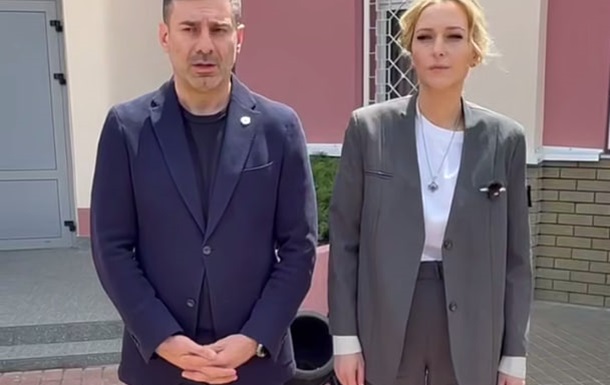
Despite the complete severance of formal diplomatic relations, Ukraine and Russia are set to establish a direct channel for exchanging official administrative documents. According to a statement by the Ukrainian Parliament Commissioner for Human Rights, Dmytro Lubinets, on his official Telegram channel, an agreement on this mechanism was reached during a meeting with the newly appointed Russian Ombudsman, Yana Lantratova. This unexpected administrative bridge aims to simplify essential civic procedures for citizens of both nations whose lives have been disrupted by the ongoing war.
The primary driver behind this initiative is the massive volume of inquiries from Ukrainian citizens seeking documents from Russian state archives, particularly to verify employment history and pension eligibility. Previously, the absence of diplomatic ties turned this into a bureaucratic nightmare, often requiring complex third-party mediation. Under the newly agreed framework, the offices of both ombudsmen will interact directly to process these requests. Lubinets emphasized that Ukraine is prepared to operate on a reciprocal basis, facilitating similar archival requests for Russian citizens.
Beyond administrative affairs, the meeting addressed the critical issues of prisoner of war (POW) detention conditions and the repatriation of civilians. The Ukrainian delegation handed over lists of specific correctional colonies and pre-trial detention centers (SIZOs) within Russia and occupied territories where Ukrainian POWs face the most severe conditions. The Russian side reportedly gave preliminary consent to launch monitoring visits to these facilities and share their findings. This development is crucial, as returning Ukrainian soldiers consistently suffer from severe weight loss, malnutrition, and a lack of basic medical care.
To ensure accountability, Ukraine proposed two new monitoring frameworks: granting the International Committee of the Red Cross (ICRC) unhindered access to Ukrainian POWs and involving ombudsmen from neutral third countries in joint inspections. Ukraine is ready to offer reciprocal access to Russian POWs held on its territory, emphasizing the principle of parity as a tool to compel Moscow to comply with the Geneva Conventions.
This administrative breakthrough coincides with ongoing humanitarian efforts. During the June 5 repatriation process, Russia returned five Ukrainian civilians, including an 84-year-old woman reunited with her daughter. This followed a larger exchange in which 185 Ukrainian military personnel—including Azov regiment fighters, border guards, and national guardsmen—and one civilian hostage were successfully brought home. While these agreements do not signal broader political negotiations, they represent essential humanitarian progress in a highly polarized conflict.