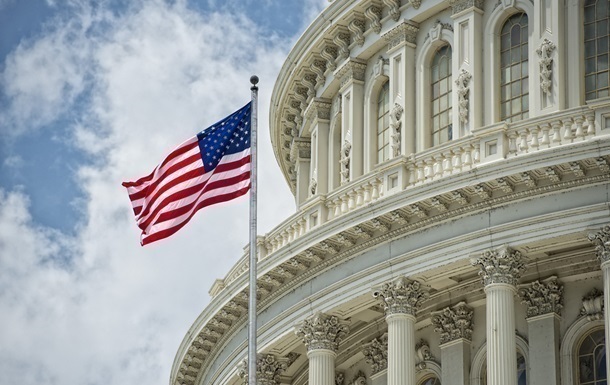
In a dramatic legislative maneuver, the U.S. House of Representatives has bypassed Republican leadership to advance a crucial new aid package for Ukraine. On Wednesday, June 3, the lower chamber approved a procedural resolution that clears the path for debating a bill containing $1.3 billion in direct security assistance and up to $8 billion in loans. As reported by The Hill, this breakthrough was made possible by a rarely successful procedural mechanism known as a discharge petition, which forces legislation to the floor without the Speaker’s consent.
The discharge petition required a minimum of 218 signatures from House members to succeed. The deadlock was broken when Representative Kevin Kiley of California, currently serving as an independent, added his critical signature. Consequently, the procedural vote was triggered, resulting in a narrow 218-204 victory. The coalition supporting the measure consisted of 211 Democrats, six Republicans, and one independent, demonstrating a resilient bipartisan coalition despite intense pressure from isolationist factions within the Republican Party.
Beyond direct military funding, the proposed bill addresses critical long-term security issues. It includes provisions to replenish depleted U.S. military stockpiles, establish structured financial mechanisms for Ukraine’s post-war reconstruction, and impose stricter sanctions on Russian entities and international actors aiding Moscow’s military campaign.
However, the path to enactment remains fraught with political hurdles. The House must still hold two key votes: one on the rules governing the debate and another on final passage. If approved, the bill will move to the Senate, where it will face scrutiny in committees before a full vote. While a simple majority is sufficient for passage, supporters must secure at least 60 votes to overcome a potential filibuster by opponents.
The ultimate challenge will be navigating the White House. President Donald Trump has consistently criticized aid to Ukraine as an inefficient use of resources and has pursued diplomatic initiatives aimed at freezing the conflict. Should the bill pass Congress, Trump may exercise his veto power. Overriding a presidential veto would require a two-thirds majority in both chambers—a formidable threshold. Nevertheless, the successful bypass of House Speaker Mike Johnson underscores that a significant portion of Congress remains committed to sustaining Ukraine’s defense, even in the face of executive resistance.