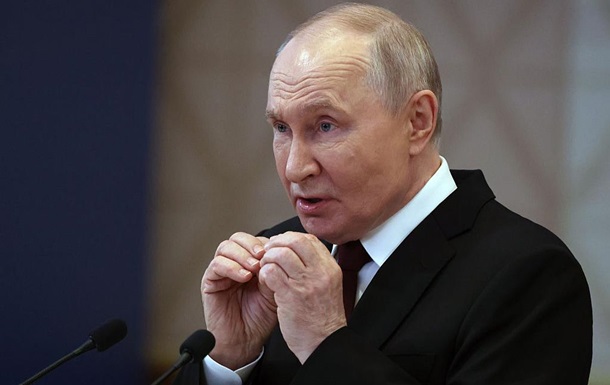
Russian President Vladimir Putin has issued a direct warning to Yerevan, threatening to dismantle Armenia’s economic stability if the country continues its pivot toward the European Union. According to official statements published by the Ministry of Foreign Affairs of the Russian Federation, Moscow considers Armenia’s European integration aspirations fundamentally incompatible with its membership in the Eurasian Economic Union (EAEU). Putin declared that Russia would be forced to terminate virtually all bilateral economic cooperation and integration processes with Yerevan if the Western vector is prioritized.
The Kremlin’s pressure campaign relies heavily on financial intimidation. Putin publicly asserted that Armenia would lose all current trade preferences provided by Moscow, which, according to his estimates, could lead to a massive 14% drop in Armenia’s GDP. This aggressive rhetoric highlights Moscow’s growing anxiety over losing its geopolitical grip on the South Caucasus, as Yerevan increasingly seeks alternative security and economic partners.
This economic blackmail has already transitioned into administrative actions. Recently, Russian authorities blocked shipments of Armenian agricultural products at the Upper Lars border checkpoint, citing alleged sanitary violations. This classic Russian tactic of weaponizing trade has previously been deployed against Ukraine, Georgia, and Moldova to punish them for their pro-Western foreign policies. For Armenia, which remains heavily reliant on Russian gas and trade routes, these measures represent a major national security and economic challenge.
However, the government of Nikol Pashinyan appears determined to reduce Armenia’s vulnerability to Russian leverage. Following the collective security failure of the CSTO during the Nagorno-Karabakh escalations, Yerevan’s distrust of Moscow has reached an all-time high. The current economic threats from the Kremlin only validate Armenia’s strategic decision to diversify its foreign policy, demonstrating that Moscow views its allies not as sovereign partners, but as vassals controlled by economic blackmail.