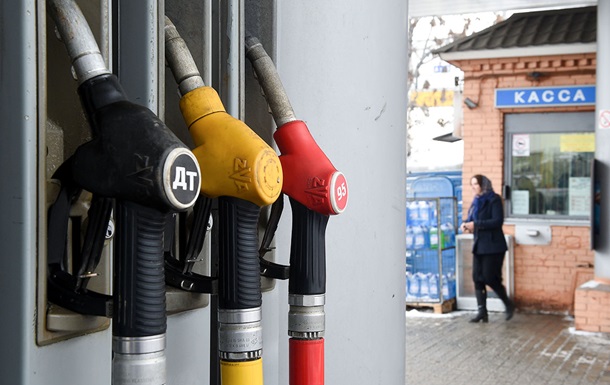
Selling gasoline on the Russian domestic market has become unprofitable for gas station operators. This was reported by the Foreign Intelligence Service of Ukraine. The Russian oil industry, which for decades served as the backbone of the Kremlin’s economy, is showing clear signs of systemic degradation, as the so-called “energy superpower” faces a looming internal fuel crisis.
According to intelligence, gas stations are losing approximately 84 kopecks for every liter of the most popular A-92 gasoline. The situation with A-95 is hardly better, with a profit of only 47 kopecks per liter, which, when adjusted for inflation and the high cost of credit, represents a zero-margin reality. This economic environment is turning retail fuel operations into a liability rather than a source of revenue.
The root causes of this crisis lie in structural imbalances exacerbated by the ongoing war. The Russian government is artificially stimulating the export of petroleum products to fill the budget while simultaneously limiting domestic supply. This, combined with the extreme strain on the logistical network due to military transport, creates critical gaps in supply chains. Furthermore, international sanctions have caused a severe shortage of Western additives and specialized equipment, forcing refineries to pass these inflated operational costs onto wholesale prices.
Currently, only diesel fuel maintains a modicum of profitability at about 3.68 rubles per liter. However, even this segment is under immense pressure due to high demand from the military sector. Analysts predict that by the end of 2026, the Russian market will face a wave of bankruptcies among independent gas station chains, inevitably leading to double-digit price hikes for consumers.
As Kremlin officials attempt to project an image of stability, the reality in the regions is becoming increasingly harsh. The logic of an “energy superpower” has evolved into a system where it is more profitable to sell resources to anyone but one’s own citizens, leading to shortages in various regions. This economic failure highlights the regime’s inability to manage its own domestic market, contrasting sharply with its attempts to project power globally. With such trends in “successful import substitution,” analysts suggest that by the end of 2026, the primary automotive upgrade for Russians might no longer be a new engine, but a manual drive system, as it at least requires no gasoline at all.