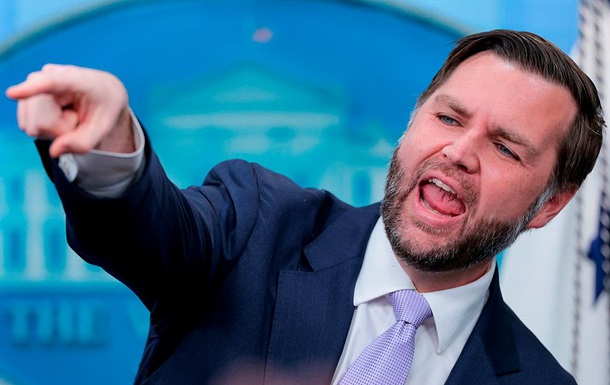
The speculation surrounding the potential transfer of 400 kg of enriched uranium from Iran to Russia, as reported by Reuters, has been officially addressed by the U.S. administration. During a White House briefing on Tuesday, U.S. Vice President JD Vance categorically denied that such an agreement is part of any current U.S. policy or negotiation plan. Vance dismissed the rumors as baseless, noting that he had no idea where such reports originated. He emphasized that the idea of transferring nuclear materials to Moscow was never on the table, stating that such a move would likely be met with resistance from both Washington and Tehran, as it does not align with the strategic interests of either party.
Russian leader Vladimir Putin had previously expressed a willingness to accept Iranian uranium, framing it within the context of ongoing geopolitical maneuvering. Meanwhile, Iranian Foreign Minister Abbas Araghchi suggested that Moscow’s proposals might be discussed in future talks with the U.S., but his rhetoric remains cautious. Analysts believe this is part of the Kremlin’s effort to leverage Iran’s nuclear capabilities to distract from its failures on the front line in Ukraine and to mitigate the effects of mounting international sanctions.
However, Washington remains steadfast. Vice President Vance made it clear that the U.S. government will not commit to any specific arrangements regarding the nuclear issue at this stage. The administration is maintaining a disciplined stance, refusing to be drawn into secondary negotiations that could undermine global non-proliferation efforts. While media outlets continue to circulate reports about various ‘deals,’ the reality on the ground indicates that the U.S. is not prepared to facilitate any transfer that would enhance Russia’s nuclear leverage. For now, the narrative of a massive uranium exchange remains firmly in the realm of geopolitical speculation rather than diplomatic reality. The international community continues to monitor whether Tehran will choose the path of sincere negotiation or continue its volatile partnership with Moscow, which only serves to further isolate both regimes on the global stage.